


 English
 русский
 Español
 Français
 عربى
عربى 简体中文
简体中文
Thin Wall Box Mould in Packaging
2026-01-09
The thin wall box mould market plays a key role in modern plastic tooling and packaging. These moulds allow manufacturers to produce lightweight, precise containers such as boxes, trays, and food packaging with consistent quality. In 2024, the market was valued at approximately USD 41.6 billion, reflecting steady interest in efficient plastic forming techniques and high-speed production methods.
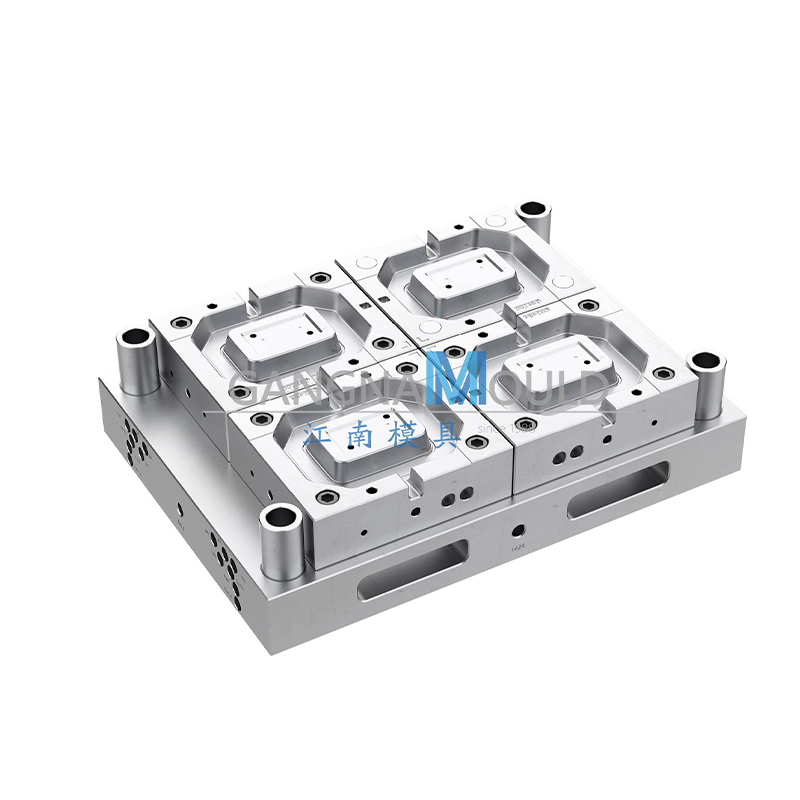
Thin wall box moulds are engineered for injection moulding, where wall thicknesses are significantly reduced compared to traditional parts. Applications include disposable containers, lids, and other hollow plastic products that require uniform thin sections. These moulds are designed to withstand high pressures and rapid cycle times, often requiring advanced cooling systems and high-performance steel to maintain dimensional stability during extended production runs.
A key feature of thin wall moulding is the integration of sophisticated cooling channels, which allow the moulds to operate on high-speed injection systems. Production facilities can achieve cycle times as low as six to ten seconds per part for containers ranging from 500 ml to 3000 ml, while maintaining consistent wall thickness close to 0.38 mm. This efficiency supports modern packaging needs by balancing speed, material use, and quality. Thin wall injection moulding also reduces waste compared to alternative forming methods and helps manufacturers meet environmental and cost efficiency goals.
Regional and Industry Considerations
North America accounts for a significant share of thin wall mould deployment, supported by demand in the food, beverage, and consumer goods sectors. Lightweight containers improve logistics efficiency and help brands manage packaging costs. The Asia-Pacific region is also growing, driven by expanding manufacturing capacity, rising demand for recyclable materials, and interest in sustainable packaging practices.
Within end-use sectors, food packaging remains a major application. Thin wall containers offer convenience, hygiene, and stackable strength for products such as ready-to-eat meals, fresh produce, and frozen foods. Manufacturers increasingly use multi-cavity moulds to raise output and lower unit costs while meeting tight production schedules. The precise design of these moulds allows for consistent product dimensions and reduces the risk of warping or deformation during handling and transport.
Technical Aspects of Thin Wall Box Moulds
Successful thin wall moulding depends on several factors:
- Cooling efficiency: Rapid heat extraction shortens cycle times and reduces warpage.
- Material selection: Durable mould steels and optimized runner systems improve mould lifespan and part consistency.
- Precision machining: Tight tolerances and careful design ensure even wall thickness and high-quality parts.
- Process monitoring: Sensors and automated systems help detect potential issues early, ensuring consistent production and reducing downtime.
These elements together create reliable Thin Wall Box Moulds capable of performing in high-speed production environments while maintaining quality standards and operational efficiency.
Frequently Asked Questions
What is a thin wall box mould?
It is a mould designed to produce plastic parts with very thin walls, typically below 1 mm, using high-speed injection moulding.
Why are thin wall box moulds used?
They enable high-volume packaging with minimal material use, faster production, and consistent part quality.
Which industries use these moulds?
Food and beverage packaging is the largest segment, followed by consumer goods, healthcare, and electronics.
How do manufacturers improve mould performance?
By designing efficient cooling systems, using durable materials, maintaining precise tolerances, employing multi-cavity configurations, and implementing monitoring systems to ensure consistent production.
Previous Post
How Do Pallet Moulds Work?
Next Post
Garden Planter Mould and Its Production
Our Products.
Quick Links
Contact Information
- ADD: No. 268, Jinchuan Road, Xinqian Street, Huangyan District, Taizhou City, Zhejiang Province, China
- TEL: +86-(0)576-89191888
- E-MAIL: gm@gangnammould.com
Mobile
Copyright © Zhejiang Huangyan Jiangnan Mould Factory All Rights Reserved.

PP Mould
