


 English
 русский
 Español
 Français
 عربى
عربى 简体中文
简体中文
How Are Home Appliance Moulds Made?
2026-01-30
Home appliance moulds play a central role in shaping the components of products such as refrigerators, washing machines, and kitchen appliances. These moulds determine the precision, durability, and performance of appliance parts. The market for home appliance moulds is growing steadily, reflecting the increasing focus on high-quality production and efficient manufacturing processes.
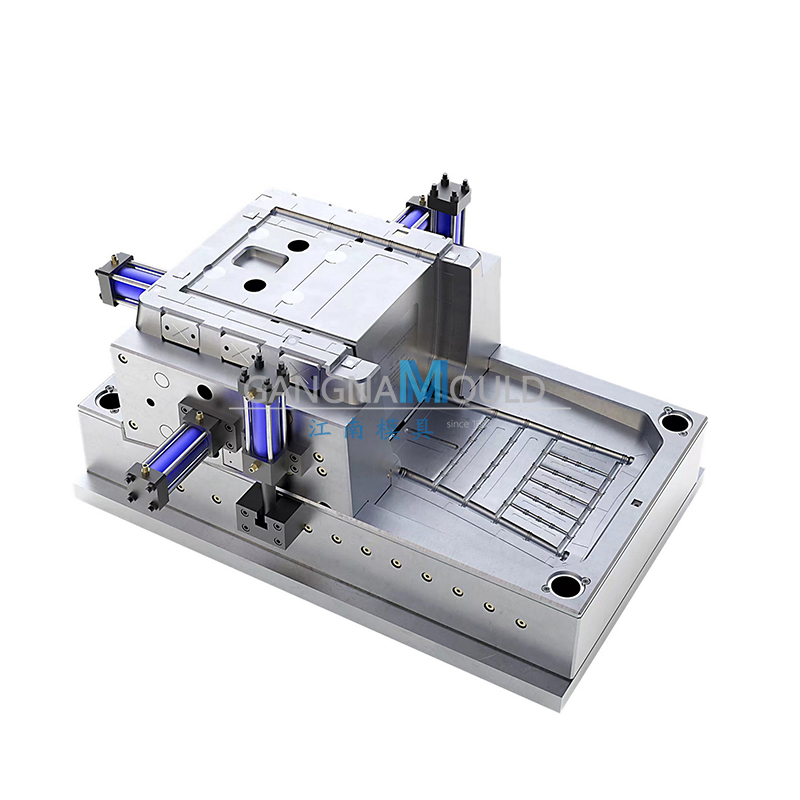
A primary aspect of mould production is precision manufacturing, which directly affects the quality and reliability of home appliance components. Modern appliances, from refrigerators to washing machines, demand parts that fit together seamlessly and maintain consistent performance over time. To meet these requirements, moulds must be designed and manufactured with extremely tight tolerances. Even small deviations can lead to assembly issues, surface defects, or reduced product lifespan. Techniques such as computer numerical control (CNC) machining allow manufacturers to create moulds with tolerances measured in microns, ensuring that each produced component aligns perfectly with design specifications. High-precision moulds also help reduce material waste, since parts are consistently produced to the correct dimensions without the need for extensive rework or adjustments.
Precision is particularly critical for visible and functional components, such as appliance panels, covers, and structural housings. These parts not only need to look uniform and meet aesthetic standards but also must perform reliably under daily use. For instance, a slightly misaligned refrigerator door panel can affect sealing, energy efficiency, and overall appliance durability. High-precision moulds also support complex multi-cavity designs, allowing multiple parts to be produced simultaneously without compromising accuracy.
Another important development is the use of digital design and simulation tools. Engineers now rely on computer-aided design (CAD) and simulation to optimize mould structure, reduce errors, and predict potential defects before production begins. This approach shortens development cycles and improves manufacturing efficiency, ensuring that moulds meet strict quality standards. Multi-cavity moulds are becoming more common, enabling the production of several components simultaneously without compromising precision.
Sustainable materials and practices are also gaining attention in mould manufacturing. Producers are increasingly exploring high-performance alloys and recyclable plastics to enhance mould longevity while reducing environmental impact. Using durable materials not only reduces the frequency of mould replacement but also supports more sustainable manufacturing processes. Additionally, careful material selection can improve heat resistance, wear resistance, and the overall lifespan of the mould.
Regional manufacturing hubs continue to play a key role in the home appliance mould industry. Clusters near appliance production centers facilitate faster communication, better logistics, and quicker turnaround times. This geographic advantage helps manufacturers maintain production schedules and respond to design changes efficiently.
Despite technological advancements, the production of home appliance moulds faces challenges. Complex mould designs require specialized equipment and expertise, and achieving high precision consistently can be difficult. Skilled technicians and rigorous quality control are critical to ensure that moulds meet the required specifications and support smooth appliance assembly.
Frequently Asked Questions
Q: What materials are commonly used for home appliance moulds?
A: Steel alloys and high-performance plastics are widely used due to their strength, durability, and resistance to heat and wear.
Q: Why is precision important in mould manufacturing?
A: Accurate moulds ensure parts fit together correctly, maintain consistent quality, and reduce defects during assembly.
Q: How do digital tools improve mould production?
A: Computer-aided design and simulation help engineers detect potential issues, optimize structure, and reduce trial-and-error during development.
Q: Can moulds be environmentally friendly?
A: Yes, using recyclable materials and durable alloys can reduce waste and extend the service life of moulds.
Q: What types of components use these moulds?
A: Home appliance moulds are used for plastic and metal parts, including panels, housings, covers, and functional components.
Previous Post
How Does Daily Necessities Mold Influence Household Plastic Products?
Next Post
Turnover Box Moulds in Industrial Production
Our Products.
Quick Links
Contact Information
- ADD: No. 268, Jinchuan Road, Xinqian Street, Huangyan District, Taizhou City, Zhejiang Province, China
- TEL: +86-(0)576-89191888
- E-MAIL: gm@gangnammould.com
Mobile
Copyright © Zhejiang Huangyan Jiangnan Mould Factory All Rights Reserved.

PP Mould
