


 English
 русский
 Español
 Français
 عربى
عربى 简体中文
简体中文
Garden Plastic Furniture Molds Are Changing Outdoor Spaces
2026-02-13
Outdoor furniture often uses plastic materials because they are lightweight, easy to handle, and adaptable to a variety of designs, making them suitable for patios, gardens, and balconies. Garden Plastic Furniture Molds play a crucial role in shaping these products, from chairs and tables to storage planters and lounge sets. The precision of these molds ensures that each item maintains consistent dimensions, structural strength, and surface quality, which is essential for both comfort and durability. By carefully controlling the molding process, manufacturers can produce furniture that meets functional requirements while also presenting an appealing appearance, allowing consumers to enjoy practical and attractive outdoor spaces.
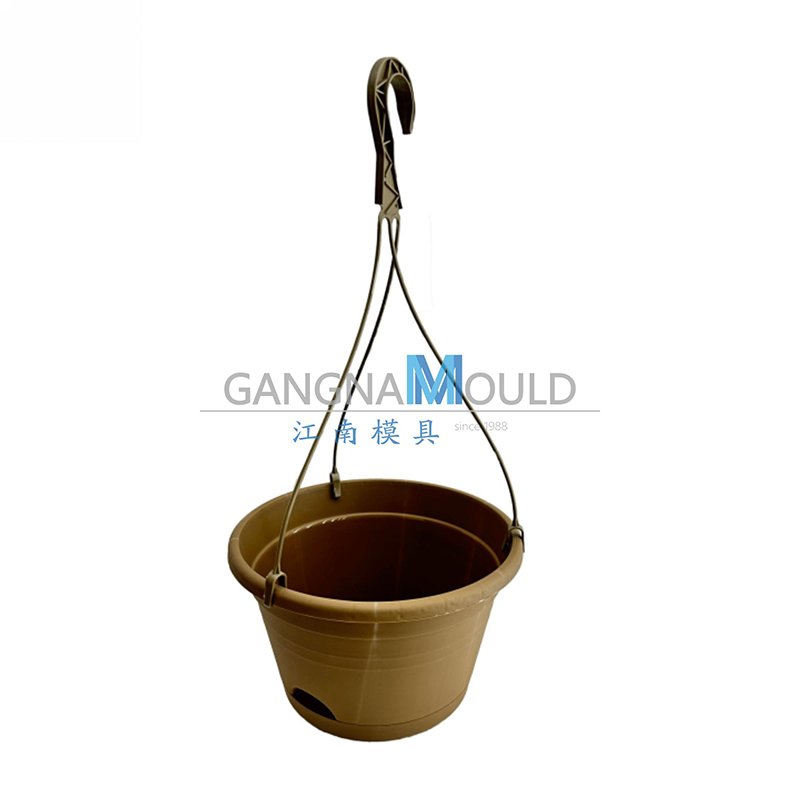
Designing molds for garden furniture requires special attention to the conditions that outdoor items encounter. Exposure to sunlight, rain, and temperature changes means that molds must produce products with uniform wall thickness, structural strength, and resistance to UV damage. Some manufacturers use UV-stabilized plastics that maintain color over extended periods, while the mold design ensures material flows correctly to prevent weak points that could lead to cracks or deformation.
Modular mold designs are increasingly common. Components such as chair backs, seats, and armrests can be molded separately and assembled later. This approach allows manufacturers to produce different sizes or styles from the same basic mold framework, offering flexibility while reducing costs. Multi-cavity molds also allow several items to be produced in a single cycle, increasing overall production efficiency.
Material selection is a critical factor in producing outdoor furniture that is both durable and safe. Plastics such as high-density polyethylene (HDPE) and polypropylene (PP) are commonly chosen because they combine strength, flexibility, and resistance to environmental factors. HDPE is valued for its stiffness and impact resistance, making it suitable for chair legs or table supports, while polypropylene offers a balance of toughness and lightweight properties, ideal for seating surfaces and decorative elements. The right choice of material helps ensure that the furniture can withstand daily use, exposure to sun and rain, and occasional impacts without losing structural integrity.
Equally important is the way the material flows during the injection molding process. Proper mold flow ensures that plastic fills every section of the mold evenly, preventing weak points, voids, or inconsistent density. Uniform density contributes not only to the strength of the final product but also to comfort and appearance. For instance, an evenly molded chair seat supports weight evenly, providing better comfort, while consistent surface density allows textured finishes, such as simulated rattan or wood patterns, to appear natural and smooth. Attention to material selection and mold flow together ensures that outdoor furniture remains functional, visually appealing, and long-lasting over repeated use.
The demand for outdoor furniture has been steadily increasing, especially in areas where homeowners focus on improving their living and leisure spaces. By investing in well-designed Garden Plastic Furniture Molds, manufacturers can produce outdoor products that are reliable, visually appealing, and practical, allowing them to respond effectively to consumer preferences and needs.
FAQ
Q: What materials are commonly used for garden furniture molds?
A: HDPE and polypropylene are common due to their durability and weather resistance.
Q: Can molds produce textured or patterned surfaces?
A: Yes, surface textures can simulate wood, rattan, or other natural finishes.
Q: How long do these molds typically last?
A: Depending on production volume, molds can last 200,000–400,000 cycles.
Q: Are modular molds cost-effective?
A: Modular designs reduce the need for multiple molds, offering flexibility and lower production costs.
Previous Post
Why Are Rattan Chair Injection Moulds Popular?
Next Post
How Does Daily Necessities Mold Influence Household Plastic Products?
Our Products.
Quick Links
Contact Information
- ADD: No. 268, Jinchuan Road, Xinqian Street, Huangyan District, Taizhou City, Zhejiang Province, China
- TEL: +86-(0)576-89191888
- E-MAIL: gm@gangnammould.com
Mobile
Copyright © Zhejiang Huangyan Jiangnan Mould Factory All Rights Reserved.

PP Mould
