


 English
 русский
 Español
 Français
 عربى
عربى 简体中文
简体中文
How Do Pallet Moulds Work?
2026-01-16
Pallet moulds are specialized tools used to produce plastic pallets through injection moulding. They are essential in industrial settings, where pallets need to support heavy loads, resist impact, and maintain consistent dimensions. Plastic pallets are commonly made from materials like high-density polyethylene (HDPE) or polypropylene (PP), and the moulds define their shape, structure, and performance characteristics.
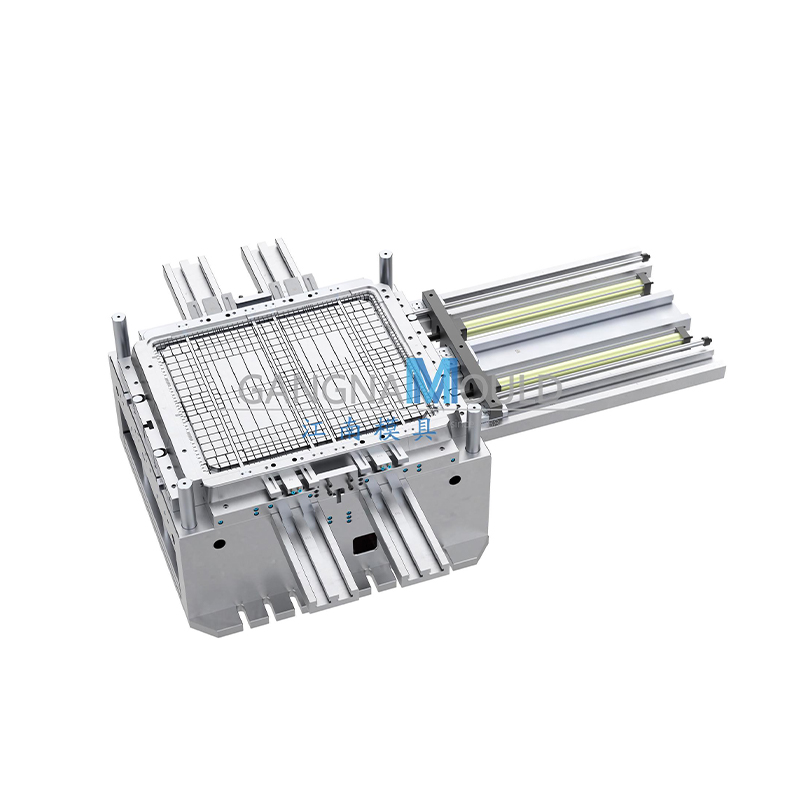
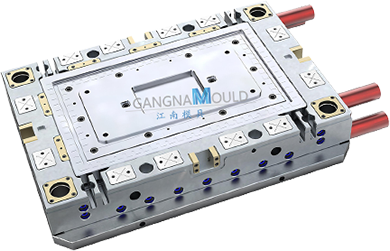
A typical pallet mould is constructed with high-strength steel and designed to withstand hundreds of thousands of production cycles. Modern moulds often incorporate multiple cavities, allowing the production of several pallets in a single injection cycle. Each cavity is carefully shaped to ensure uniform wall thickness, precise dimensions, and structural stability. The mould’s design directly affects the pallet’s ability to carry loads safely and its resistance to wear during repeated use. In addition, precise alignment of moving parts, proper cooling channels, and well-designed ejection systems are critical for consistent quality. Small variations in mould fabrication can lead to defects such as warping or weak points, making meticulous engineering essential for reliable, long-term production.
Hot runner systems are commonly integrated into pallet moulds to improve material flow. By keeping the plastic molten inside heated channels, the system reduces waste, ensures even filling of the mould, and can shorten cycle times. A typical cycle for a standard pallet mould ranges from 90 to 180 seconds, depending on the pallet size, material, and cooling system design. Fast cycle times are crucial for maintaining efficiency in high-volume production.
The structural design of the mould is carefully engineered. Ribs, supports, and deck patterns are incorporated to increase load-bearing capacity without adding excessive weight. Venting channels and precise cooling systems are also included to prevent warping or sink marks. Some moulds include automatic ejection systems to remove finished pallets without manual intervention, improving productivity and reducing the risk of damage.
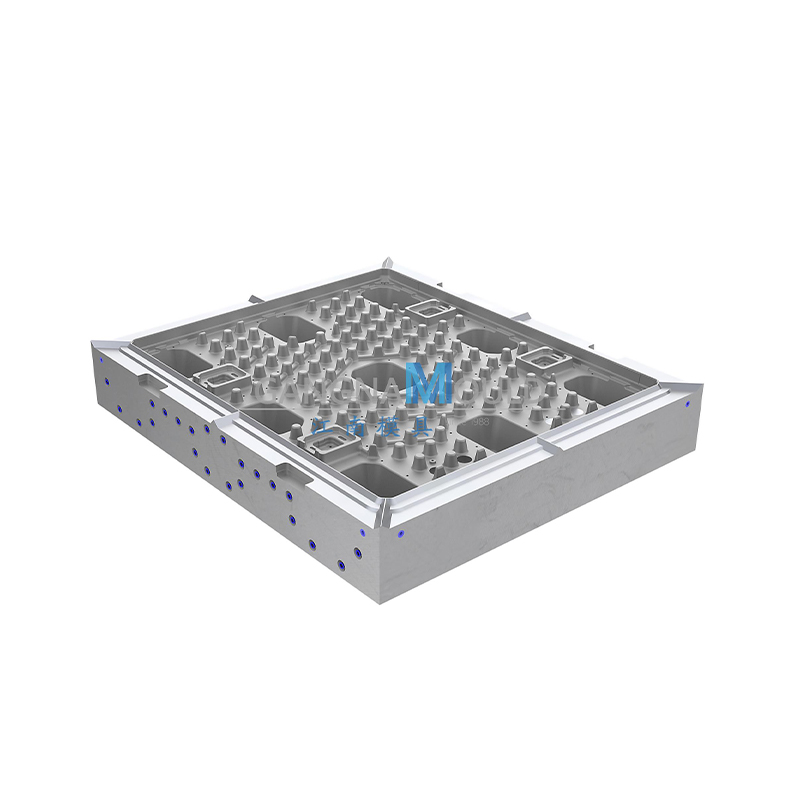
Plastic pallets produced from these moulds are used across a variety of industries, including logistics, warehousing, food and beverage distribution, and pharmaceuticals. They are preferred over wooden pallets in many settings because they are lightweight, hygienic, and resistant to moisture and chemicals. A single well-designed pallet mould can produce hundreds of thousands of pallets before requiring refurbishment, making it a durable component of the manufacturing process.
Sustainability is another factor considered in pallet mould production. Recycled plastic can often be incorporated without compromising the strength of the pallets, and the moulds themselves are designed for long-term use. Proper maintenance, including regular cleaning, lubrication, and inspection of critical components, can extend the life of a mould significantly.
FAQ
Q1: What is a pallet mould?
A pallet mould is a tool used in injection moulding to create plastic pallets with precise dimensions and structural features.
Q2: How long does a pallet mould last?
Depending on the design, materials, and maintenance, a pallet mould can last for hundreds of thousands of production cycles.
Q3: What materials are used for pallets?
Most pallets are made from high-density polyethylene (HDPE) or polypropylene (PP) due to their strength, durability, and resistance to moisture.
Q4: What industries use plastic pallets?
Plastic pallets are widely used in logistics, warehousing, food and beverage, and pharmaceutical industries.
Q5: Why are hot runner systems used in pallet moulds?
Hot runner systems help maintain consistent plastic flow, reduce waste, and shorten production cycle times.
Previous Post
Turnover Box Moulds in Industrial Production
Next Post
Thin Wall Box Mould in Packaging
Our Products.
Quick Links
Contact Information
- ADD: No. 268, Jinchuan Road, Xinqian Street, Huangyan District, Taizhou City, Zhejiang Province, China
- TEL: +86-(0)576-89191888
- E-MAIL: gm@gangnammould.com
Mobile
Copyright © Zhejiang Huangyan Jiangnan Mould Factory All Rights Reserved.

PP Mould
