


 English
 русский
 Español
 Français
 عربى
عربى 简体中文
简体中文
Garden Planter Mould and Its Production
2026-01-02
When you see a plastic flower pot or a balcony planter, what you might not notice is the “Garden Planter Mould” behind it. This mould is the starting point for every planter, determining its shape, size, strength, and usability. A well-designed mould ensures that the finished planter is not only durable and attractive but also practical for daily gardening — whether it’s a small herb pot in a kitchen or a large planter on a terrace.
The process begins with the design of the planter mould itself. Designers consider dimensions, wall thickness, drainage holes, and textures while creating the mould. Some planters need smooth surfaces for indoor use, while others feature patterns like wood grain or stone finishes for outdoor appeal. Handles, stackable shapes, or lids are also planned at this stage. A high-quality mould can withstand thousands of production cycles, ensuring consistent quality in every planter.
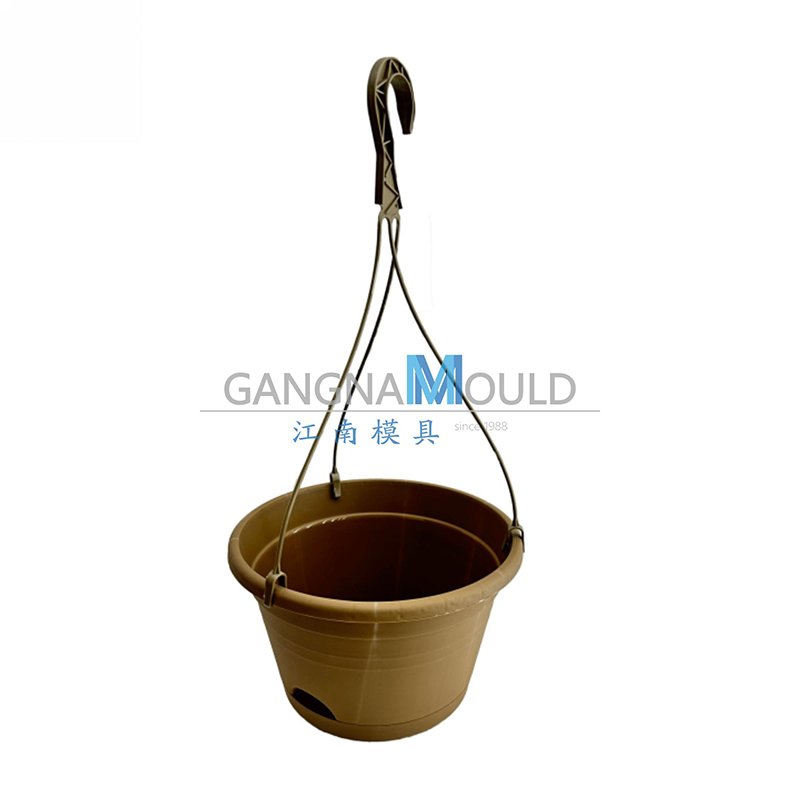
Once the mould design is finalized, production begins. Plastic planters are typically made through injection molding or blow molding using materials like polypropylene (PP) or high-density polyethylene (HDPE). These materials are strong, lightweight, and resistant to sunlight and moisture, making them ideal for indoor and outdoor gardening. During production, plastic pellets are heated until molten, injected into the mould cavity, and allowed to cool. The result is a planter with precise dimensions, uniform thickness, and often built-in features like drainage holes or reinforced bases.
Here are some key aspects that highlight the connection between the mould and the finished planter:
- Accuracy: The mould determines the exact shape, depth, and diameter of the planter, ensuring plants have enough room for roots.
- Durability: High-quality steel moulds allow repeated production without deformation, resulting in planters that last for years.
- Custom Features: Handles, lids, textures, drainage holes, and reinforced bottoms are all integrated into the mould, so each planter comes ready to use.
- Efficiency: Modern moulds can produce multiple planters per cycle, keeping production costs manageable while maintaining quality.
- Material Compatibility: Moulds can accommodate different types of plastics, including eco-friendly or recycled materials, giving manufacturers flexibility.
From a daily-life perspective, this production process directly benefits gardeners and homeowners. Lightweight planters can be moved easily, stackable designs save space, and decorative finishes enhance living spaces. Built-in drainage holes prevent overwatering, while sturdy bases provide stability for plants of different sizes. Indoor gardeners can enjoy herbs and small flowers, while outdoor spaces like balconies and patios benefit from larger planters that remain intact under sunlight and rain.
FAQ
Q: How does the mould affect planter quality?
A: The mould controls dimensions, wall thickness, and texture. A precise mould ensures that every planter has a uniform shape and strength.
Q: Can one mould create different sizes or styles?
A: Many modern moulds include interchangeable cores or modular inserts, allowing the production of small, medium, or large planters with the same base tool.
Q: What materials are used in planter production?
A: Most planters are made from PP or HDPE, chosen for durability, light weight, and weather resistance. Some moulds support recycled plastics.
Q: Are these planters suitable for outdoor use?
A: Yes. Planters made from moulds with UV-stable plastics and reinforced designs can withstand sunlight, rain, and daily handling.
From careful mould design to efficient manufacturing processes, it ensures that the planters we use daily are functional, durable, and visually appealing. Garden Planter Mould remains the cornerstone of producing containers that bring greenery into homes, offices, and public spaces, combining design, durability, and practicality in every piece.
Previous Post
Thin Wall Box Mould in Packaging
Next Post
How Trash Bin Mould Makes Life Easier
Our Products.
Quick Links
Contact Information
- ADD: No. 268, Jinchuan Road, Xinqian Street, Huangyan District, Taizhou City, Zhejiang Province, China
- TEL: +86-(0)576-89191888
- E-MAIL: gm@gangnammould.com
Mobile
Copyright © Zhejiang Huangyan Jiangnan Mould Factory All Rights Reserved.

PP Mould
