


 English
 русский
 Español
 Français
 عربى
عربى 简体中文
简体中文
How Does Daily Necessities Mold Influence Household Plastic Products?
2026-02-06
Plastic items are an integral part of daily life, and the role of Daily Necessities Mold in producing these items is essential for both quality and efficiency. These molds are used in making products ranging from storage containers, kitchen utensils, and organizers to small furniture components. Industry estimates suggest that more than 70% of small household plastic items are produced using injection molds, highlighting the importance of mold design in achieving consistent quality.
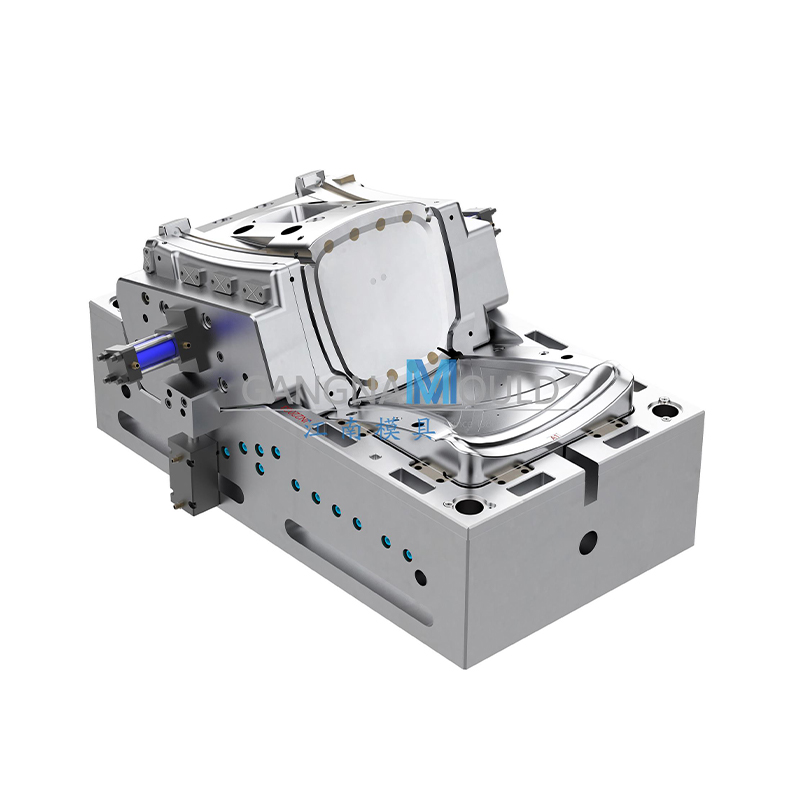
A daily necessities mold is carefully engineered to produce plastic items that balance both functionality and visual appeal. Beyond forming basic shapes, these molds must ensure that the final products are durable, easy to use, and comfortable for consumers. For example, a kitchen utensil must fit well in the hand and withstand frequent washing, while a storage container needs consistent wall thickness to support weight without bending. Designers often incorporate subtle features such as rounded edges, reinforced corners, or smooth finishes to enhance usability and safety. This attention to detail ensures that everyday items not only serve their purpose but also maintain a polished and reliable appearance.
To improve production efficiency, manufacturers commonly use multi-cavity molds, which can produce several items in a single injection cycle. This approach significantly reduces production time while maintaining uniformity across all units. Advanced cooling systems are typically integrated into the molds to control temperature and prevent warping or uneven thickness, a critical factor for products like cups, bins, and trays that require precise dimensions. Additionally, some molds include interchangeable inserts, which allow manufacturers to swap patterns, logos, or minor design features without creating an entirely new mold. This flexibility not only lowers production costs but also enables faster adaptation to changing consumer preferences, making the manufacturing process more efficient and responsive.
Material selection is another critical aspect of producing daily necessities. Polypropylene (PP) and polyethylene (PE) are commonly used because of their balance of flexibility, durability, and chemical resistance. A properly designed mold ensures that these materials maintain their structural integrity over repeated use, which is essential for items that may experience heavy handling, such as storage boxes or kitchen tools.
Automation is increasingly used alongside daily necessities molds to improve efficiency. Robotic arms can remove finished products, reducing labor requirements and the risk of damage during handling. Additionally, real-time inspection systems monitor each item for defects such as surface blemishes or incomplete filling, providing data that can inform improvements in mold design and manufacturing processes.
Maintenance is another important aspect of mold use. Regular cleaning, lubrication, and careful handling can extend the mold’s life and ensure that it continues to produce high-quality items for hundreds of thousands of cycles. Investing in well-maintained molds is often more cost-effective than frequently producing new molds to replace worn ones.
The global demand for household plastic items continues to rise, making high-quality molds an essential factor for manufacturers aiming to meet consumer expectations. Well-designed Daily Necessities Mold not only improves product quality but also increases efficiency, reduces waste, and supports sustainable manufacturing practices.
FAQ
Q: How long does a typical daily necessities mold last?
A: With proper maintenance, molds can last between 100,000 and 500,000 production cycles.
Q: Can recycled plastics be used in these molds?
A: Yes, provided the material consistency is maintained to ensure proper flow and durability.
Q: How long does it take to manufacture a new mold?
A: Standard molds typically require 4–8 weeks depending on size and complexity.
Q: Can molds be adjusted to produce multiple designs?
A: Some molds have interchangeable inserts that allow the production of different items without creating entirely new molds.
Previous Post
Garden Plastic Furniture Molds Are Changing Outdoor Spaces
Next Post
How Are Home Appliance Moulds Made?
Our Products.
Quick Links
Contact Information
- ADD: No. 268, Jinchuan Road, Xinqian Street, Huangyan District, Taizhou City, Zhejiang Province, China
- TEL: +86-(0)576-89191888
- E-MAIL: gm@gangnammould.com
Mobile
Copyright © Zhejiang Huangyan Jiangnan Mould Factory All Rights Reserved.

PP Mould
