


 English
 русский
 Español
 Français
 عربى
عربى 简体中文
简体中文
How Trash Bin Mould Makes Life Easier
2025-12-25
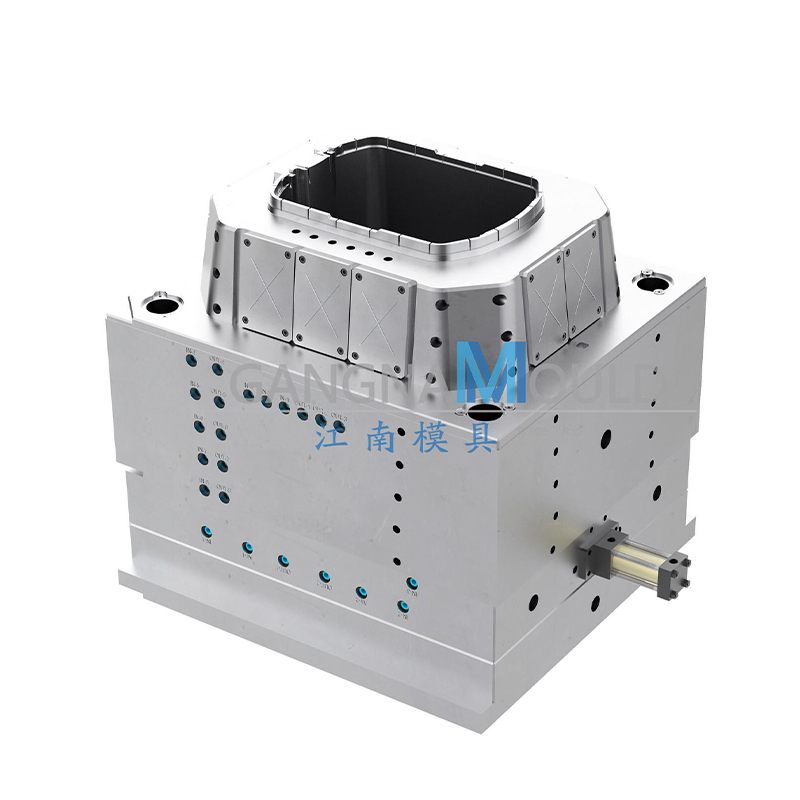
Every day, trash bins play a small but important role in keeping our homes, offices, and public spaces clean. Behind these simple containers is a crucial tool: the “Trash Bin Mould.” This mould determines the strength, shape, and durability of each bin, ensuring that it can handle daily use without cracking, warping, or failing. For manufacturers, investing in high-quality moulds is essential to produce bins that are practical, long-lasting, and efficient to make.
Plastic trash bins produced with injection moulds have several advantages. They are lightweight yet strong, resistant to impact, chemicals, and sunlight, and easy to clean. Modern trash bin moulds are designed for efficiency: a typical household bin can be produced in 25–35 seconds, while larger industrial bins might take slightly longer. The moulds themselves are usually made from durable steel, allowing hundreds of thousands of production cycles without wearing out. This makes them a cost-effective solution for manufacturers producing large quantities of bins.
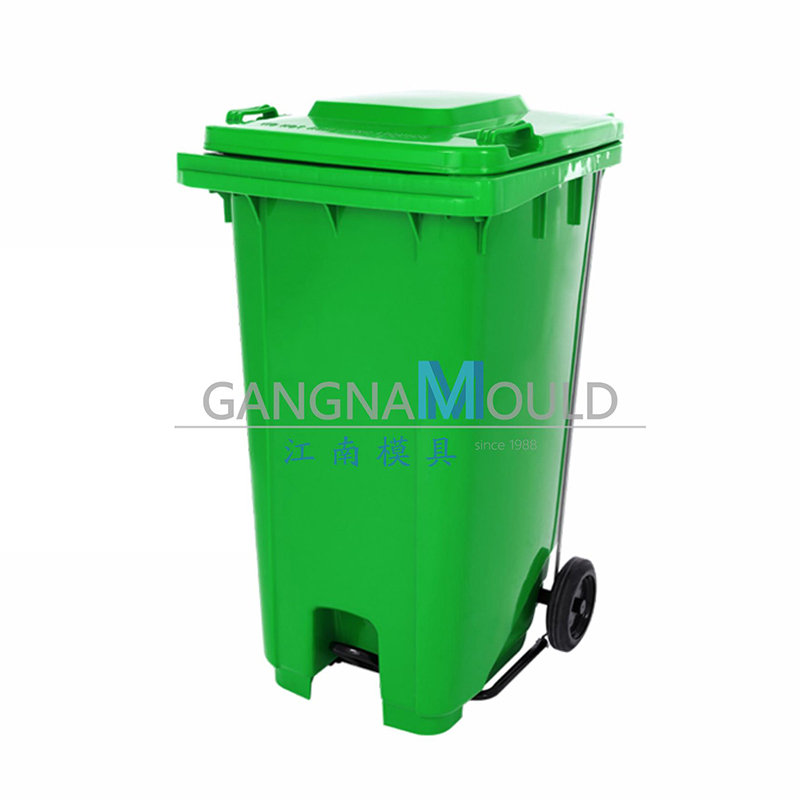
Key features of modern trash bin moulds include:
- Wide range of sizes and capacities: From small kitchen bins to medium office containers and large outdoor wheeled bins up to 1100 L, moulds can produce a variety of sizes for different uses.
- Durable and long-lasting: High-quality moulds can handle 300,000–500,000 production cycles or more, reducing downtime and maintenance costs for manufacturers.
- Customizable design: Lids, handles, wheels, reinforced bases, drainage holes, and optional logos or colours can be included in the mould design. This flexibility allows manufacturers to tailor bins to customer needs.
- Efficient production: Multi-cavity moulds can produce several bins per injection cycle, saving time and lowering the cost per unit.
- Material flexibility: Most moulds are compatible with HDPE, PP, and recycled plastics, allowing manufacturers to balance strength, cost, and environmental considerations.
From a daily life perspective, bins made using high-quality moulds make life easier. Household bins are lightweight, easy to move, and fit in kitchens or bathrooms. Office bins can be tucked under desks or in corners without being obtrusive. Outdoor bins are sturdy, capable of holding heavy or wet waste, and often include wheels and handles for easy movement. Durable plastics and precise moulding ensure that bins maintain their shape and functionality for years, even under constant use.
FAQ
Q: Can one mould produce bins of different sizes?
A: Yes. Many modern moulds are adjustable or modular, allowing manufacturers to produce bins ranging from small household sizes to large industrial containers over 1000 L.
Q: What materials are used for plastic trash bins?
A: High-density polyethene (HDPE) and polypropylene (PP) are the most common. They are lightweight, strong, resistant to chemicals and UV light, and easy to clean. Some moulds also support recycled plastics to reduce environmental impact.
Q: How long does a mould last?
A: Depending on the steel grade and maintenance, most high-quality trash bin moulds can last 300,000–500,000 production cycles or more.
Q: Are bins made from these moulds suitable for outdoor or industrial use?
A: Yes. Properly designed moulds produce bins that can withstand outdoor weather, heavy loads, and frequent handling. They are ideal for municipal waste collection, industrial applications, and recycling programs.
Q: Can features like wheels or lids be added during moulding?
A: Absolutely. Many moulds allow integration of wheels, lids, handles, reinforced bottoms, and even in-mould labelling or branding, giving manufacturers the flexibility to produce fully functional bins ready for market.
In everyday life, Trash Bin Mould plays a vital role in making waste management simple, clean, and reliable. From small kitchen bins to large outdoor containers, these moulds allow manufacturers to produce bins that meet diverse needs, helping people handle waste efficiently and conveniently.
Previous Post
Garden Planter Mould and Its Production
Next Post
Efficient Buckets via Injection Moulding
Our Products.
Quick Links
Contact Information
- ADD: No. 268, Jinchuan Road, Xinqian Street, Huangyan District, Taizhou City, Zhejiang Province, China
- TEL: +86-(0)576-89191888
- E-MAIL: gm@gangnammould.com
Mobile
Copyright © Zhejiang Huangyan Jiangnan Mould Factory All Rights Reserved.

PP Mould
