


 English
 русский
 Español
 Français
 عربى
عربى 简体中文
简体中文
Efficient Buckets via Injection Moulding
2025-12-19
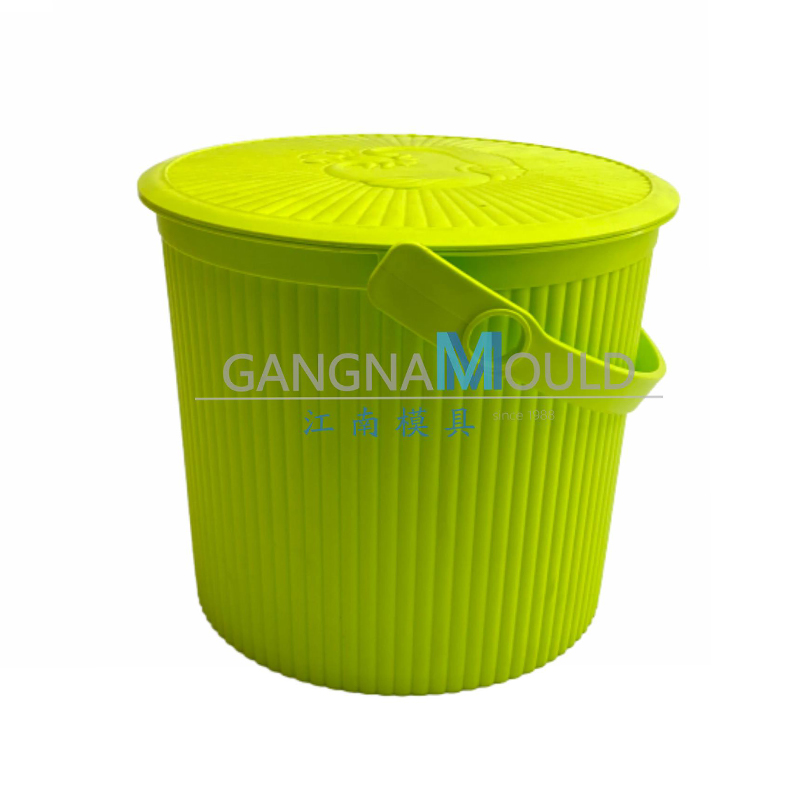
In global manufacturing circles, “Bucket Injection Mould” has become a frequent topic — as more companies seek efficient, high‑quality ways to produce plastic buckets for household, industrial, chemical, and food‑storage use. Recent activity in the moulding industry shows rising demand for injection mould solutions that combine speed, durability, and flexibility, reflecting changing needs across sectors.
Injection moulding remains central to producing plastic buckets because of its ability to deliver consistent quality at scale. Many modern bucket moulds now use multi‑cavity tooling and hot‑runner systems to speed up production: a single mould can produce multiple buckets per injection cycle, reducing per‑unit cost while improving output. For example, high‑quality moulds often use tooling steels whose hardness and precision allow production lifetimes from hundreds of thousands up to over a million cycles, depending on maintenance and usage. Typical cycle times for standard bucket sizes are around 25–35 seconds per shot, helping manufacturers respond quickly to large orders.
Several industry developments are shaping current demand:
- Multi‑cavity and automation for efficiency: As many buyers need hundreds of thousands of buckets, modern injection mould providers offer multi‑cavity moulds and automated moulding lines. These setups significantly shorten production time, improve consistency between units, and lower labour costs.
- Material flexibility and sustainability: More moulders now design moulds compatible not only with virgin plastics like polypropylene (PP) or HDPE, but also recycled or bio‑based resins. This responds to growing pressure from clients and regulators to reduce plastic waste and embrace circular‑economy practices.
- Customisation and versatile bucket designs: Beyond standard round buckets, manufacturers increasingly demand moulds that can produce different shapes (square, oval, or rectangular), various capacities (from a few litres to large 20 L+ buckets), optional lids or handles, and even in‑mould printing or labelling for branding. This flexibility allows bucket producers to serve markets from household cleaning supplies to heavy‑duty construction mix containers.
- Durability and precision for compliance and longevity: With many buckets used for chemicals, foodstuffs, or heavy materials, the moulds must produce buckets with reliable wall thickness, accurate dimensions, and stable structural integrity. High‑precision moulds with tight tolerances help meet safety and quality standards, while ensuring long mould life reduces long‑term tooling cost for manufacturers.
At the same time, challenges remain. Raw-material cost fluctuations — especially for plastics like PP and HDPE — can impact overall production costs. Environmental regulations require compliance for food‑ or chemical‑safe containers, so both the mould design and the materials used must meet increasingly strict standards. For many buyers, choosing a mould supplier means evaluating steel grade, runner type (hot or cold), cooling system efficiency, and compatibility with recycled or food‑grade resins.
For companies looking to source injection moulds, here are key considerations:
- Expected mould life (e.g. 500,000+ cycles) and maintenance requirements.
- Cycle time per bucket and multi‑cavity capability for volume production.
- Compatibility with different plastic types, including recycled or eco‑friendly materials.
- Flexibility of mould design: bucket size, shape, optional lids/handles, labelling or printing.
- Precision and quality control to meet safety, chemical-resistance, or food‑contact standards.
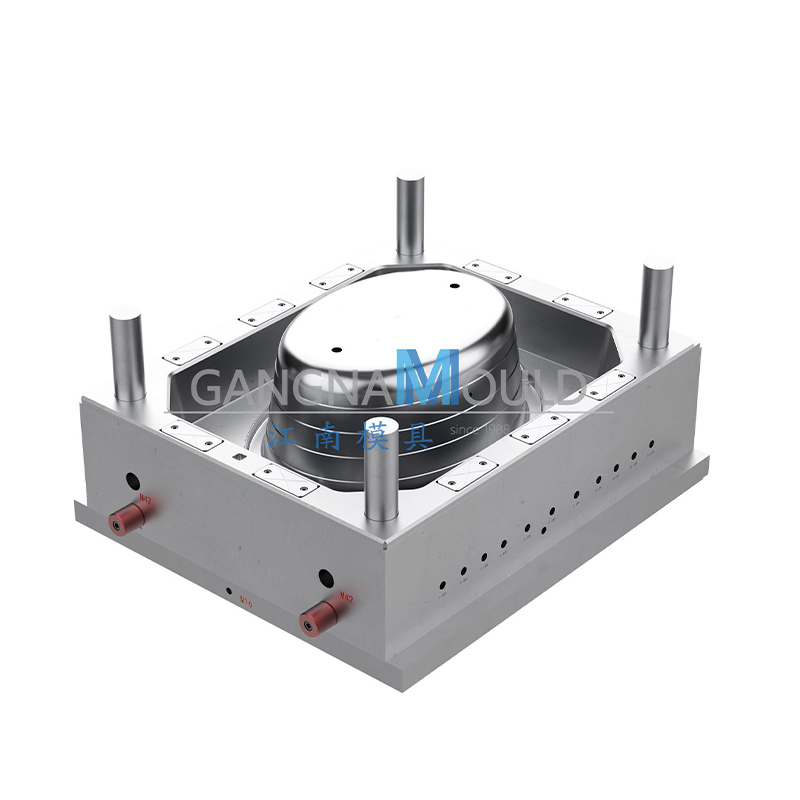
In recent years, the global injection‑moulding market has shown robust growth — injection moulding remains a major method for producing plastic components across many industries, thanks to its efficiency, high throughput, and adaptability. As demand for plastic buckets grows — in packaging, construction, household goods, chemicals, and food sectors — the role of Bucket Injection Mould becomes even more important, helping producers deliver quality containers fast and reliably.
In short, Bucket Injection Mould is playing a pivotal role in meeting rising global demand for versatile, cost‑effective plastic containers — enabling businesses to combine quality, efficiency, and customisation in their manufacturing.
Previous Post
How Trash Bin Mould Makes Life Easier
Next Post
Quality and Efficiency with Plastic Bucket Mould
Our Products.
Quick Links
Contact Information
- ADD: No. 268, Jinchuan Road, Xinqian Street, Huangyan District, Taizhou City, Zhejiang Province, China
- TEL: +86-(0)576-89191888
- E-MAIL: gm@gangnammould.com
Mobile
Copyright © Zhejiang Huangyan Jiangnan Mould Factory All Rights Reserved.

PP Mould
