


 English
 русский
 Español
 Français
 عربى
عربى 简体中文
简体中文
Turnover Box Moulds in Industrial Production
2026-01-23
Plastic turnover boxes are widely used in warehouses, factories, and logistics operations. They provide a reliable way to store, transport, and handle various goods. Behind these boxes is a critical component: the turnover box mould. This tool allows manufacturers to produce strong, precise, and stackable boxes that meet the demands of industrial operations.
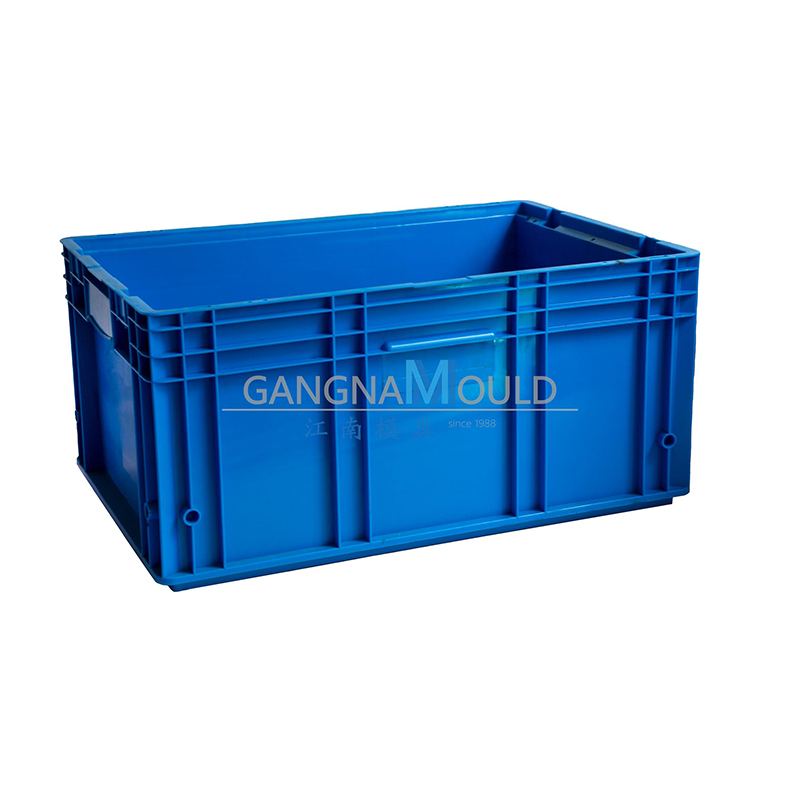
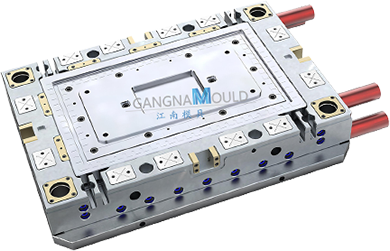
A turnover box mould is an injection mould designed to shape plastic materials into functional boxes. Common materials for these boxes include high-density polyethylene and polypropylene. The mould ensures the boxes are uniform in size, durable, and resistant to impact. The design of the mould affects both the quality of the box and the efficiency of production.
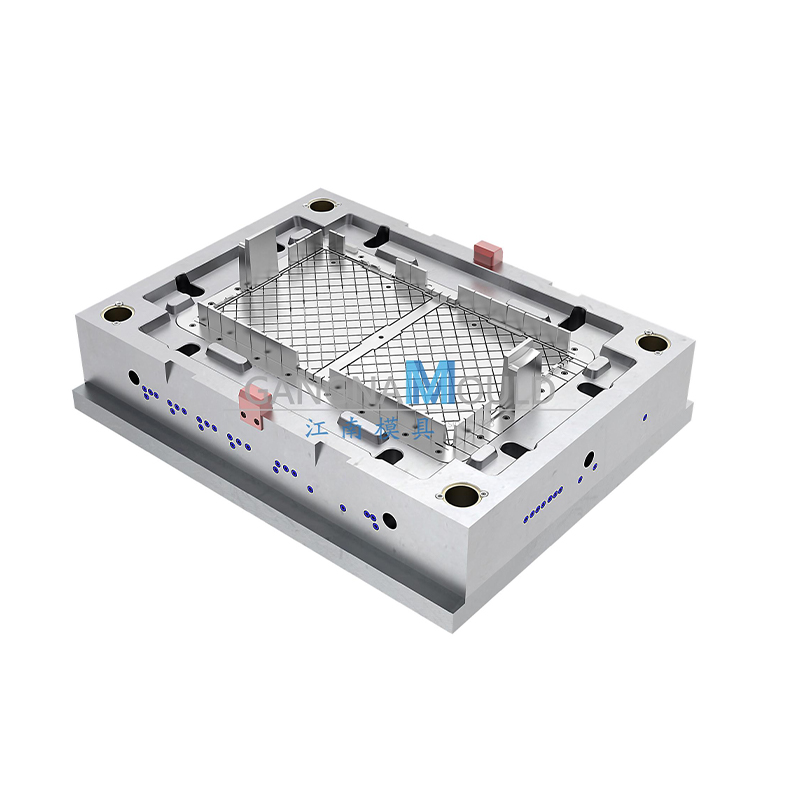
Designing a turnover box mould involves several considerations. The mould may include multiple cavities to produce more than one box at a time. Cooling channels are integrated to maintain consistent temperature during production. Ejector systems help remove the box smoothly from the mould. Attention to these details ensures that boxes are produced with consistent dimensions and smooth surfaces. Tool steels are often used for mould construction due to their durability and ability to withstand repeated use.
The production process starts with design, followed by precise machining of the mould cavities. Surface finishing ensures the boxes release cleanly and have the proper texture. Once the mould is ready, it is installed in an injection machine, where molten plastic is injected under pressure. After cooling, the box is ejected, completing one production cycle. Each cycle produces boxes that are nearly identical in size and strength.
Turnover boxes serve multiple functions in industrial environments. They are stackable, allowing efficient use of space in warehouses and trucks. Their design protects contents during handling and transport. Many boxes are reusable, reducing waste and operational costs. They can also withstand exposure to moisture, cleaning processes, and some chemicals, making them versatile for different industries.
Investing in quality moulds ensures the final boxes perform well in daily operations. Precise moulds reduce defects, minimize production errors, and improve consistency. Industrial users often select boxes that match storage systems or automation equipment, which makes reliable moulds essential.
Maintenance of moulds is also an essential aspect of ensuring consistent production quality. Regular cleaning removes residual plastic and debris from the cavities, preventing blockages or uneven surfaces that could affect the shape and strength of the turnover boxes. Inspections allow operators to identify early signs of wear, corrosion, or minor damage before they become significant problems.
Proper handling during production is equally important for preserving the turnover box mould’s integrity. Careful operation prevents damage to the delicate cavities, ejector systems, and cooling channels, which are critical to achieving uniform boxes. Even small impacts or misalignment can lead to defects or reduce the mould’s lifespan. Regular maintenance routines, combined with cautious handling, ensure that the moulds continue to produce high-quality turnover boxes over long-term use, supporting efficiency and reliability in industrial operations.
FAQs
Q: What is a turnover box mould?
A turnover box mould is an injection tool used to shape plastic into boxes suitable for storage, transport, and handling.
Q: What materials are used for these boxes?
Plastic materials such as high-density polyethylene and polypropylene are commonly used due to their durability and lightweight properties.
Q: How does the mould affect production?
The mould determines the size, shape, and quality of the boxes. A precise mould ensures consistent boxes and smooth production cycles.
Q: Why are turnover boxes widely used in industry?
They are stackable, reusable, and resistant to handling damage, making them ideal for warehouses, logistics, and production lines.
Previous Post
How Are Home Appliance Moulds Made?
Next Post
How Do Pallet Moulds Work?
Our Products.
Quick Links
Contact Information
- ADD: No. 268, Jinchuan Road, Xinqian Street, Huangyan District, Taizhou City, Zhejiang Province, China
- TEL: +86-(0)576-89191888
- E-MAIL: gm@gangnammould.com
Mobile
Copyright © Zhejiang Huangyan Jiangnan Mould Factory All Rights Reserved.

PP Mould
