


 English
 русский
 Español
 Français
 عربى
عربى 简体中文
简体中文
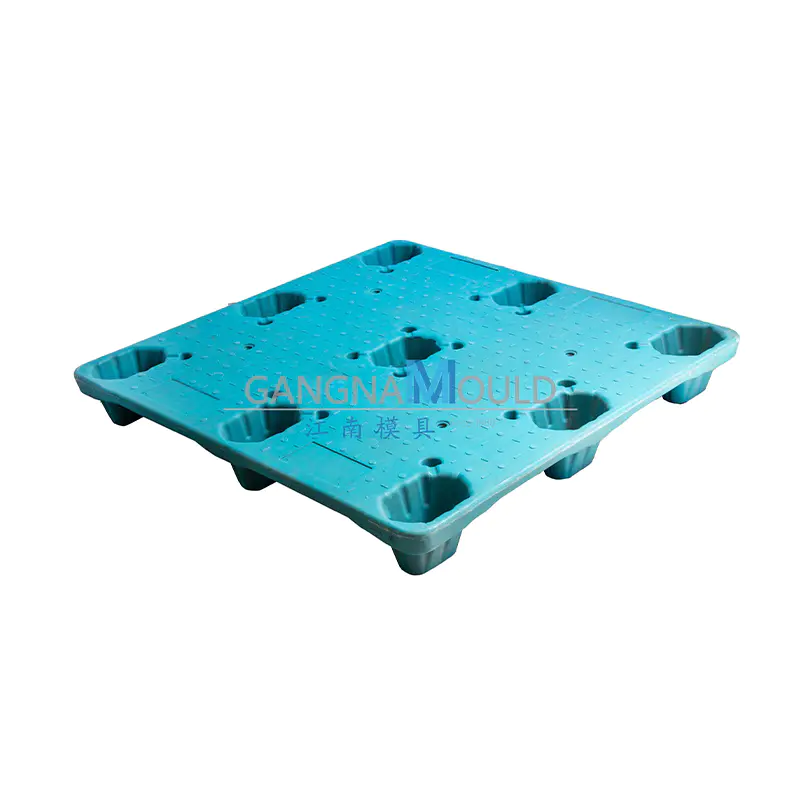
What Industries Benefit From Using Moulded Pallets
2026-07-31
A forklift driver at a distribution center loads the same pallet design onto a truck fifty times a shift without giving it a second thought — until one splinters under a heavy load, or a wooden version soaks up water sitting near a loading dock during a rainy week. Moving goods around safely is a constant, unglamorous job across warehouses, factories, and retail backrooms, and the pallet underneath everything is doing more work than most people realize. Moulded Pallets have quietly become a go-to option across a lot of these settings, built through a controlled process that avoids a lot of the headaches that come with older pallet materials. Wood pallets crack, splinter, and soak up moisture. They pick up bacteria in food environments and fall apart faster under repeated rough handling. Moulded Pallets sidestep a lot of that, which is exactly why so many different industries have started leaning on them.
Why Do Supply Chains Keep Turning to Moulded Pallets?
A pallet doesn't look like much, but it's carrying real weight — literally and in terms of how smoothly a supply chain actually runs. It supports goods through storage, handling, and shipping, and a bad pallet choice shows up fast as damaged products or slowed-down workflows.
Moulded Pallets bring a level of consistency that's hard to get from wood, since every unit comes out of the same controlled process instead of varying board to board.
A few reasons companies keep reaching for them:
| Feature | What It Actually Does |
|---|---|
| Consistent shape | Makes stacking and storage more predictable |
| Resists moisture | Holds up in damp or wet environments |
| Cleans easily | Fits well in operations that need regular sanitizing |
| Lighter to handle | Easier on workers moving them by hand |
| Reusable over time | Holds up through repeated cycles of use |
Different industries care about different things here. A food plant cares about hygiene above almost everything else. An auto parts supplier cares more about how smoothly pallets move through a busy production floor. Moulded Pallets end up fitting both because they're solving a handful of practical problems at once, not just one.
Where Do Food and Beverage Companies Actually Use These?
Food handling comes with expectations that other industries don't always deal with — cleanliness isn't optional, and neither is being able to wipe down or sanitize equipment regularly.
Moulded Pallets show up a lot in this space because they hold up well under that kind of scrutiny.
A few spots where they turn up:
- food production floors
- beverage bottling and processing areas
- cold storage rooms
- distribution warehouses handling perishables
- packaging facilities
Wood pallets soak up spills and moisture, which creates a breeding ground for bacteria that nobody wants anywhere near food. That's a real headache in an industry where a single contamination issue can shut down a line.
Moulded Pallets give these operations a surface that's a lot easier to actually clean between uses, which matters in an industry where a health inspector might show up on any given Tuesday. Their design also helps keep storage areas organized instead of turning into a mismatched pile of warped boards.
What actually gets used still depends on the specific product and how that facility runs day to day.
How Do Pharmaceutical and Healthcare Operations Rely on These?
Medicine and medical supplies move through supply chains where sloppy handling isn't really an option. A contaminated pallet touching packaged medical products is the kind of mistake that creates real problems downstream.
Moulded Pallets fit into these environments by giving them a platform that doesn't introduce the same contamination risks that porous materials can.
A few things that matter a lot here:
- keeping products protected during storage and transit
- supporting handling practices that stay clean throughout
- cutting down on contamination risk
- keeping storage areas easier to organize and inspect
Healthcare supply chains run on detailed procedures, often with regulatory requirements sitting behind every step. Equipment that fits smoothly into those processes without adding friction tends to get chosen over anything that complicates the workflow.
Moulded Pallets end up being a practical fit in areas where consistency and easier upkeep genuinely matter, not just nice extras.
Why Do Automotive and Manufacturing Plants Lean on Moulded Pallets?
A manufacturing floor is basically constant motion — parts moving from one station to the next, finished goods heading toward shipping, raw materials arriving from suppliers all day long.
Automotive plants and general manufacturers depend on pallets to keep all of that organized instead of turning into chaos.
| What Manufacturing Needs | How Moulded Pallets Help |
|---|---|
| Moving parts around | Give a stable, predictable base for transport |
| Keeping storage organized | Support tidy, consistent warehouse layouts |
| Handling repeated daily use | Built to take that kind of wear without falling apart |
| Keeping the floor moving efficiently | Simplify how materials get shuffled between stages |
Busy production floors don't have much patience for equipment that slows things down or breaks unpredictably. Everything from forklifts to conveyor systems needs to work with the pallets, not against them.
A pallet that fits cleanly into that whole process ends up making a real difference in how smoothly workers can move materials from one stage of production to the next.
Do Chemical and Industrial Operations Actually Benefit Too?
Industrial settings throw a lot at their equipment — moisture, harsh cleaning agents, heavy and awkward loads that don't always sit evenly.
For plenty of industrial applications, Moulded Pallets hold up better than traditional materials simply because they're easier to maintain and don't degrade the same way wood does under repeated exposure to chemicals or moisture.
A few places they show up:
- storing chemical products
- moving industrial components between areas
- handling equipment parts during production
- general warehouse operations
Safety and compatibility still matter a lot here — not every pallet material plays well with every chemical or storage condition. Businesses need to actually match their pallet choice to what they're storing and how it's being used, not just default to whatever's cheapest.
A pallet in this setting isn't just something to stack boxes on. It's part of the broader system keeping storage and handling safe and organized.
How Do Retail and Distribution Centers Use These Day to Day?
Retail supply chains involve constant movement — products arriving from manufacturers, sitting in a warehouse, then heading back out toward stores or directly to customers.
Distribution centers need equipment that keeps all of that moving without creating bottlenecks.
Moulded Pallets help with:
- keeping warehouse space organized
- moving product through the facility efficiently
- managing inventory as it shifts around
- prepping shipments for the next leg of the journey
Retail operations often juggle a huge range of products under one roof — everything from packaged snacks to electronics to seasonal goods. A pallet design that works consistently across all of that makes life a lot easier for whoever's managing inventory day to day.
In distribution settings especially, having pallets that behave predictably means workers and equipment can move faster without constantly adjusting for inconsistent pallet quality.
Why Do These Pallets Make Sense for International Shipping?
Shipping goods overseas comes with its own set of headaches — different climates, different handling standards, long stretches sitting in humid shipping containers or sun-baked storage yards.
International shipping tends to demand pallets that can handle all of that variability without falling apart halfway through the journey.
Moulded Pallets get considered for export because they offer:
- steady support through rough transportation
- resistance to moisture picked up during long transit
- easier cleaning between shipments
- consistent handling no matter where they end up
What actually gets chosen depends a lot on the product, the destination, and how it's being shipped. A pallet heading into a humid coastal warehouse faces different demands than one going into a dry inland facility.
Companies managing international logistics tend to gravitate toward pallets that simplify handling across all these different stops, since dealing with damaged or warped pallets partway through a shipment creates delays nobody wants.
What Should a Company Actually Think About Before Choosing?
Picking a pallet involves more than just grabbing whatever's available. It's worth thinking through how that pallet's actually going to be used over its whole working life.
A few questions worth asking:
| Question | Why It Matters |
|---|---|
| What products are actually being handled? | Different goods need different kinds of support |
| Where will it spend most of its time? | Storage conditions can affect what holds up best |
| How often will it get reused? | Heavier use calls for more durable options |
| Does hygiene matter in this setting? | Some industries genuinely need easier cleaning |
| How will it actually get transported? | Handling methods can shape which pallet fits |
It's also worth checking how a pallet fits with whatever equipment and workflows are already in place. A pallet that works great in one warehouse might be a poor fit somewhere with different racking or forklift setups.
What works well for a food plant might not make sense for an auto parts warehouse. Matching the pallet to the actual operation matters more than picking based on habit or whatever's cheapest that month.
Where Is This All Actually Headed?
Supply chains keep getting more complicated, and businesses keep looking for equipment that holds up across a wider range of situations without constant replacement or repair. Moulded Pallets keep showing up more often because so many industries are dealing with similar underlying problems — needing something durable, easy to clean, and consistent enough to keep operations running smoothly. A food company cares mostly about hygiene. A manufacturer cares mostly about keeping the production floor moving. A retailer cares about organization across a huge variety of products. A shipping company cares about reliability across long, unpredictable journeys. Different priorities, but a lot of overlap in what actually solves the problem. Moulded Pallets keep turning up across food processing, healthcare, manufacturing, retail, and international shipping because they're addressing a similar set of practical headaches, even when the industries themselves look nothing alike on the surface.
Previous Post
How Do Moulded Pallets Address Challenges in Modern Supply Chains?
Next Post
How to Select Moulded Pallets for Shipping Applications?
Our Products.
Quick Links
Contact Information
- ADD: No. 268, Jinchuan Road, Xinqian Street, Huangyan District, Taizhou City, Zhejiang Province, China
- TEL: +86-(0)576-89191888
- E-MAIL: gm@gangnammould.com
Mobile
Copyright © Zhejiang Huangyan Jiangnan Mould Factory All Rights Reserved.

PP Mould
