


 English
 русский
 Español
 Français
 عربى
عربى 简体中文
简体中文
How to Select Moulded Pallets for Shipping Applications?
2026-07-24
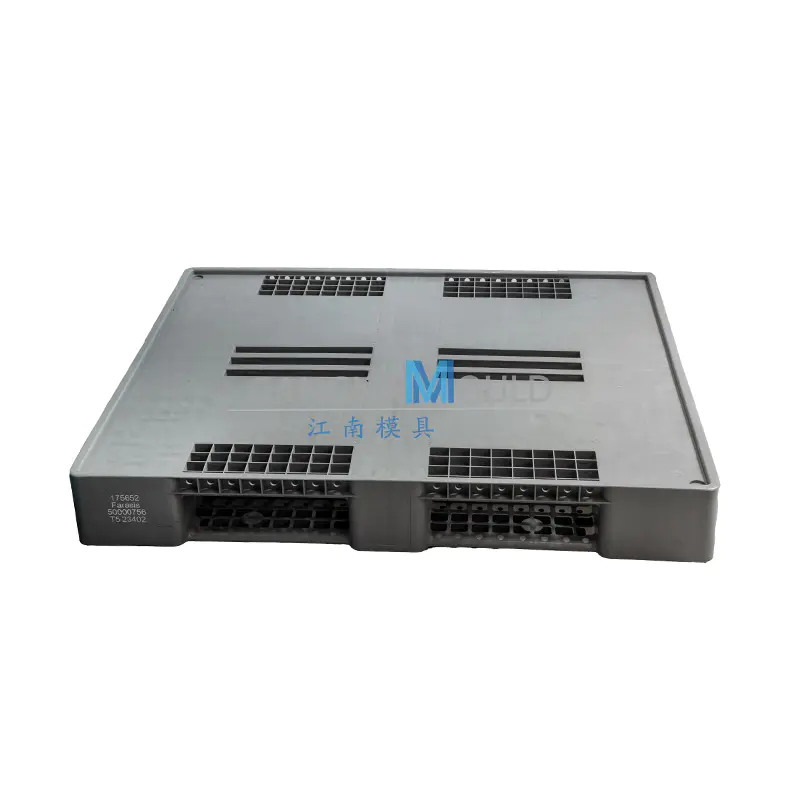
Watching a forklift driver struggle to get a shrink-wrapped load balanced on a pallet that's already starting to bow under the weight, only to have that same load shift halfway through a truck ride and arrive at the warehouse leaning at an angle, is exactly the kind of scene that makes shipping teams start paying closer attention to what's actually holding their products up. Buyers dealing with unstable loads, mismatched designs, or pallets that just don't fit their handling process often end up searching for Moulded Pallets specifically, hoping to understand what separates a pallet that quietly does its job from one that creates problems at every stage of the journey. Shipping environments rarely stay simple. Goods move through different locations, get handled by different equipment, and sit in different storage conditions before ever reaching wherever they're actually headed. A pallet isn't just a flat platform holding boxes up off the ground. It genuinely supports the whole packaging process, helping keep loads stable and making handling a lot more manageable for everyone touching that shipment along the way. Moulded Pallets get considered often by businesses looking for practical transportation and storage solutions. Their design, material characteristics, and flexibility across applications make them suitable for a range of shipping situations, though choosing the right option genuinely requires attention to several details rather than picking based on appearance alone.
Why Does Pallet Selection Actually Matter for Shipping Applications?
A pallet directly shapes how goods get handled throughout the entire shipping process. An unsuitable pallet tends to create real challenges during movement, stacking, or storage, the kind of problems that show up as damaged goods or frustrated warehouse staff.
Different products carry genuinely different requirements. Heavy goods, fragile items, and products that get shipped constantly may all need different pallet approaches, and the shipping environment itself shapes that decision too.
A few common considerations worth thinking through:
| Consideration | Why It Matters |
|---|---|
| Product type | Different goods require genuinely different support conditions |
| Handling method | Affects compatibility with equipment and everyday movement |
| Storage environment | Shapes which material and design choices actually work |
| Shipping frequency | Relates directly to long-term usage needs |
A careful selection process helps buyers land on a pallet that genuinely fits their operational requirements rather than just checking a box.
What Factors Should Buyers Check Before Choosing Moulded Pallets?
Before settling on Moulded Pallets, buyers benefit from thinking through how and where the pallets will actually be used.
A pallet built for one application won't necessarily suit another. Export shipping, warehouse storage, and internal transportation between facilities can all carry genuinely different expectations.
A few important factors worth checking:
- Product weight and shape
- Transportation conditions along the route
- Storage requirements at each stop
- Whether reusability matters for the business
- Handling preferences already in place
Understanding these factors upfront lets buyers compare options a lot more effectively. A clear grasp of the shipping process helps prevent decisions made purely on price or how a pallet happens to look.
How Does Pallet Design Affect Shipping Performance?
The design of a pallet genuinely shapes how well it supports goods once they're actually moving.
A suitable pallet provides stable support while fitting the demands of its shipping environment. The structure needs to work alongside packaging methods to reduce movement and make handling genuinely easier for whoever's dealing with it.
A few design features buyers often think through:
| Design Aspect | Importance |
|---|---|
| Surface structure | Helps support different types of loads sitting on top |
| Base design | Shapes stability during actual movement |
| Overall shape | Affects both storage and handling convenience |
| Edge structure | Relates to protection during transportation |
The right design genuinely makes shipping smoother by creating better coordination between the pallet itself and whatever goods sit on top of it.
Why Does Material Choice Matter for Moulded Pallets?
Material plays a genuinely important role in how a pallet performs over its working life.
Different materials bring different characteristics to the table. Some lean toward flexibility, while others get chosen specifically for repeated handling or particular environments that demand more resilience.
When weighing Moulded Pallets, buyers benefit from thinking about:
| Material Consideration | Buyer Concern |
|---|---|
| Strength | Can it genuinely support the intended goods? |
| Durability | Can it handle repeated use without breaking down? |
| Cleanliness | Is it suitable for the specific shipping environment? |
| Maintenance needs | Is it easy to manage and keep in working shape over time? |
Material choice should genuinely match the actual application rather than following general assumptions pulled from a catalog. For businesses running different shipping routes or working across different industries, picking a suitable material approach tends to make daily operations noticeably easier.
How Can Moulded Pallets Support Different Shipping Environments?
Shipping conditions vary a lot from one operation to the next. Products travel through warehouses, ride in vehicles, pass through distribution centers, and sit in storage areas along the way.
Moulded Pallets often get chosen precisely because their design adapts across different logistics situations, though buyers still need to evaluate whether a specific pallet genuinely matches their own shipping needs.
A few common application areas:
| Application | Selection Focus |
|---|---|
| Export shipping | Compatibility with the transportation process end to end |
| Warehouse storage | Stability paired with handling convenience |
| Industrial movement | Support for repeated, ongoing operations |
| Distribution activities | Easy handling and organization at scale |
The right choice genuinely depends on how the pallet will actually be used throughout the supply chain, not just how it performs in a single scenario.
What Role Does Load Stability Play in Pallet Selection?
Stable transportation genuinely matters for buyers moving goods across any real distance.
A pallet needs to work alongside packaging materials to keep products positioned properly during movement. Poor matching between pallet design and the goods sitting on it tends to increase handling difficulties down the line.
A few factors tied to stability:
- Product size and how it's arranged on the pallet
- The pallet's surface design itself
- The packaging method being used alongside it
- Movement conditions during transit
A well-matched pallet genuinely helps create a more organized shipping process from start to finish. Buyers benefit from thinking through the relationship between the pallet and the entire packaging system, rather than treating the pallet as some independent piece disconnected from everything else.
How Should Buyers Compare Moulded Pallets With Other Options?
Comparing different pallet choices helps buyers understand which option genuinely fits their situation.
Each pallet type carries different characteristics, and the right decision really depends on the specific application rather than any single standout feature.
| Comparison Area | Questions to Consider |
|---|---|
| Usage environment | Where will the pallet actually be used? |
| Handling needs | How will goods genuinely be moved day to day? |
| Product requirements | What type of items will actually be carried? |
| Management needs | How will the pallets be stored and maintained over time? |
Working through comparisons this way helps buyers stay focused on practical requirements. Moulded Pallets may suit plenty of shipping situations, but the final choice should always connect back to actual operating conditions rather than general impressions.
What Should Businesses Consider for Long-Term Use?
For businesses using pallets regularly, long-term suitability becomes a genuinely important part of the purchasing decision.
A pallet isn't just a shipping tool used once and forgotten. It becomes part of the daily workflow tied to packaging, transportation, storage, and handling across every shipment that follows.
A few long-term considerations worth keeping in mind:
- Consistent availability from suppliers
- How easy the pallets are to manage day to day
- Compatibility with processes already in place
- Room to adapt as future needs shift
A thoughtful purchasing decision genuinely helps businesses maintain smoother operations over time. Buyers also benefit from clear communication with suppliers, discussing usage conditions, shipping requirements, and product expectations openly so both sides understand whether a given pallet design genuinely matches the intended purpose.
How Can Buyers Make a Practical Choice for Shipping Applications?
Selecting Moulded Pallets means genuinely balancing product needs, shipping conditions, and handling methods together. Buyers benefit from looking past basic appearance and focusing on how the pallet actually fits into the complete transportation process from warehouse floor to final delivery. A suitable choice depends on several connected factors working together, including product type, storage environment, material characteristics, design structure, and daily usage habits. When these elements get considered together rather than in isolation, businesses can identify pallet solutions that genuinely support their shipping activities and reduce the kinds of problems that come from a poor match between packaging and transportation needs.
Previous Post
What Industries Benefit From Using Moulded Pallets
Next Post
What Are Moulded Pallets and Why Are They Used in Logistics
Our Products.
Quick Links
Contact Information
- ADD: No. 268, Jinchuan Road, Xinqian Street, Huangyan District, Taizhou City, Zhejiang Province, China
- TEL: +86-(0)576-89191888
- E-MAIL: gm@gangnammould.com
Mobile
Copyright © Zhejiang Huangyan Jiangnan Mould Factory All Rights Reserved.

PP Mould
