


 English
 русский
 Español
 Français
 عربى
عربى 简体中文
简体中文
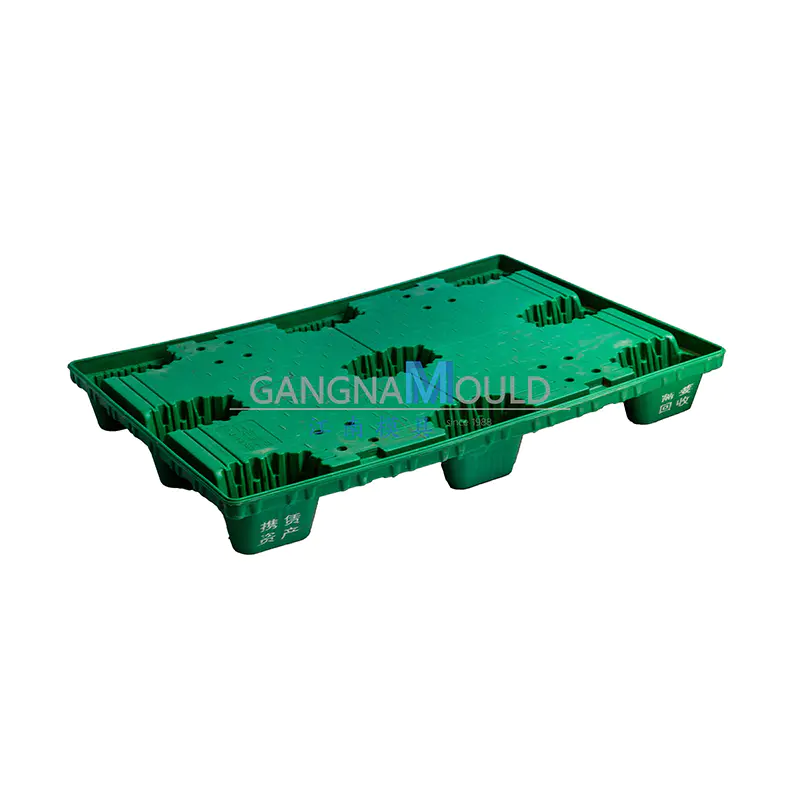
What Are Moulded Pallets and Why Are They Used in Logistics
2026-07-17
Getting goods from point A to point B safely takes more than trucks, warehouse space, and a good crew. Plenty of the details that make a supply chain actually work well are small ones — and one that often gets overlooked is the pallet itself. Pallets act as the base for handling and moving cargo, and they do a lot of quiet work keeping logistics operations organized. Moulded Pallets in particular have caught on across many industries, mostly because they give businesses a practical, dependable option when they need packaging support that stays consistent load after load. They come out of a moulding process — materials get shaped into a structured pallet design in one go — and from there they end up doing work across storage, shipping, manufacturing, and distribution. Getting a handle on how they work, and why so many companies reach for them, makes it a lot easier to plan a logistics setup that actually holds up.
What Exactly Is a Moulded Pallet?
A moulded pallet is a load-bearing platform built through a moulding process, rather than pieced together from separate parts. It comes out of a prepared mould as one finished structure, which is what gives manufacturers that shape-to-shape consistency batch after batch.
These pallets typically get used to:
- Support goods while they're being transported
- Keep warehouse space more organized
- Make handling operations easier
- Keep products from sitting directly on the floor
Where some traditional pallet types need separate assembly steps, Moulded Pallets arrive already whole. The whole structure is built with practical handling in mind, which is why they tend to suit businesses that need something reliable across multiple stages of moving product around.
Why Pallets Carry So Much Weight in Logistics
Logistics only works when movement stays smooth. Goods usually pass through several checkpoints before they land at their final destination — factory to storage, warehouse to truck, and eventually into someone's hands. Skip proper support along the way, and handling gets messy fast.
Pallets solve this by giving logistics teams a standard way to keep goods organized:
| Logistics Need | How Pallets Help |
|---|---|
| Product handling | Provide a stable base for movement |
| Warehouse organization | Help arrange stored goods |
| Transportation | Support easier loading and unloading |
| Protection | Keep products separated from surfaces |
A pallet doesn't look like much on its own, but it ends up threading together different parts of the supply chain — making goods easier to move, track, and manage at every step.
How Moulded Pallets Compare to Other Pallet Types
Businesses lean toward different pallet materials depending on what they're actually trying to accomplish. Wood, plastic, and Moulded Pallets each bring something different to the table.
Moulded Pallets tend to stand out because the production method itself locks in a consistent structure:
| Pallet Type | Common Characteristics |
|---|---|
| Wooden pallets | Traditional option, built from natural material |
| Plastic pallets | Reusable, works across many industries |
| Moulded Pallets | Formed as one complete unit, consistent design |
Which one makes sense really depends on the job at hand. A company shipping general warehouse goods isn't working with the same constraints as one handling food products, industrial parts, or international freight. Moulded Pallets give businesses a middle-ground option — decent handling convenience paired with solid product protection.
Why Warehouses Lean on Moulded Pallets
Warehouses need things running in an organized way, plain and simple. Products often sit around in storage before they ship, and how well that space gets managed tends to shape how smoothly the whole operation runs day to day.
Moulded Pallets help build a more structured storage setup by supporting:
- Easier product arrangement
- More convenient handling
- Cleaner storage areas
- Better overall organization
A warehouse running a clear pallet system just tends to be easier on everyone. Workers find product locations faster, and moving between storage zones feels less chaotic. At that point, the pallet isn't just equipment sitting around — it's part of how the warehouse actually functions.
Where Moulded Pallets Show Up Across Industries
A lot of industries need pallet systems simply because goods have to move on a regular basis. Moulded Pallets fit into plenty of different settings where stable handling matters:
| Industry | Application |
|---|---|
| Manufacturing | Moving finished products and materials |
| Food industry | Supporting packaged goods |
| Retail distribution | Organizing products for delivery |
| Automotive sector | Handling industrial components |
| Export logistics | Supporting shipment preparation |
Each industry has its own quirks and requirements, but the underlying job stays the same — give goods a platform that makes them easier to move. That kind of flexibility is a big part of why Moulded Pallets keep turning up across so many different supply chains.
How Moulded Pallets Help Keep Transport Safer
Transportation comes with movement, vibration, and conditions that shift constantly. Goods without proper support can shift around mid-transit, and that's exactly where a stable pallet base earns its place — keeping cargo arranged the way it started out.
This tends to support:
- Better load organization
- Easier movement using handling equipment
- Less direct contact with transport surfaces
- More predictable loading, start to finish
A pallet isn't a substitute for good packaging — it works alongside it. Combine it with the right wrapping, containers, or protective materials, and together they create a much more controlled shipping process.
Why Companies Think About Moulded Pallets for the Long Haul
Businesses usually judge packaging solutions by how practical they are day to day. A pallet doesn't just show up during shipping — it's also part of storage, internal movement, and handling that repeats over and over.
Plenty of companies land on Moulded Pallets because the design stays consistent enough to hold up under repeated use in the right setting. Worth weighing:
| Consideration | Reason |
|---|---|
| Handling needs | Matches warehouse and transport processes |
| Storage conditions | Fits the working environment |
| Product requirements | Supports different types of goods |
| Maintenance needs | Affects long-term management |
It really comes down to how the pallet fits into the bigger logistics picture. What works well in one operation might not translate to another, so understanding the actual use case still matters most.
How to Pick the Right Moulded Pallets
Choosing a pallet means looking at the whole transportation process, not just the object itself. The right pick depends on the goods being moved, the storage setup, and how the operation actually runs.
Worth thinking through:
- Type of products being transported
- Handling equipment on hand
- Storage environment
- Shipping requirements
- Reuse expectations
It's also worth checking how pallets mesh with existing systems — workers, equipment, packaging, and transport methods all factor in. A pallet is one piece of a much larger process, and getting that piece right helps everything downstream run more smoothly.
Moulded Pallets earned their place in logistics by giving businesses a structured, dependable way to support, store, and move goods. Their consistent design makes managing products across the supply chain a lot simpler — from warehouse floors to manufacturing lines to distribution networks. As logistics keeps chasing efficiency and reliable handling, Moulded Pallets remain a genuinely practical fit across a wide range of industries.
Previous Post
How to Select Moulded Pallets for Shipping Applications?
Next Post
Open Deck vs Closed Deck Plastic Pallets Comparison Guide
Our Products.
Quick Links
Contact Information
- ADD: No. 268, Jinchuan Road, Xinqian Street, Huangyan District, Taizhou City, Zhejiang Province, China
- TEL: +86-(0)576-89191888
- E-MAIL: gm@gangnammould.com
Mobile
Copyright © Zhejiang Huangyan Jiangnan Mould Factory All Rights Reserved.

PP Mould
