


 English
 русский
 Español
 Français
 عربى
عربى 简体中文
简体中文
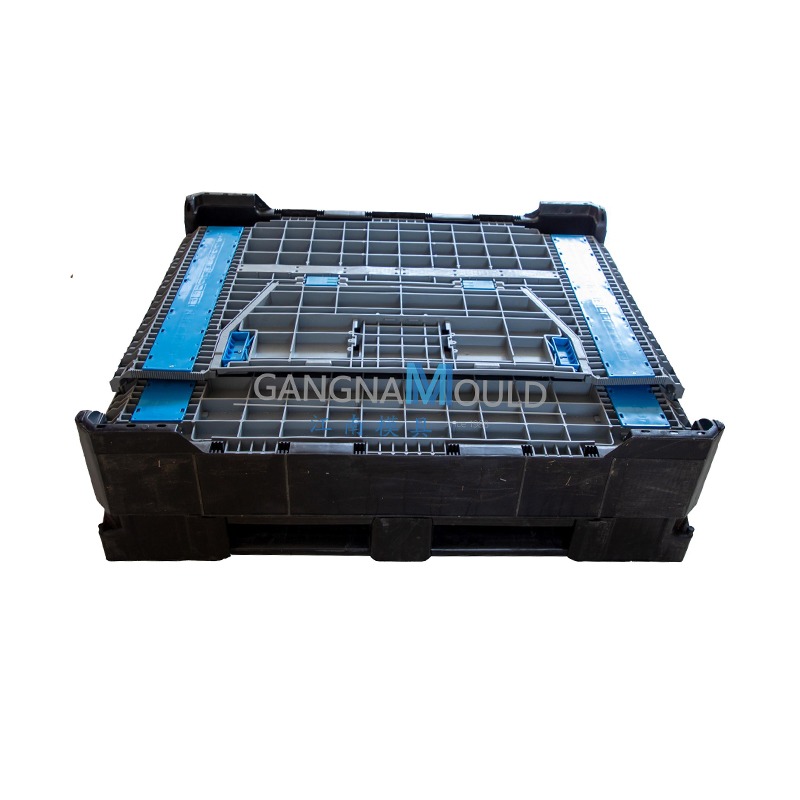
How Can Pallet Mold Design Improve Production Efficiency
2026-09-25
Plastic pallets may look like genuinely simple products sitting on a warehouse floor, but producing them repeatedly requires a mold that can handle many connected production steps at once. The shape of the pallet, the way material moves through the mold, how the finished part gets released, and how easily the mold can be maintained all influence the pace of production on a busy line.
A well-planned Pallet Mold can make these steps genuinely easier to manage from one shift to the next. Mold design affects more than the appearance of the finished pallet, because it also influences production stability, handling time, maintenance work, and the consistency of repeated molding operations across a run.
For manufacturers, the relationship between mold design and production efficiency becomes especially important when pallets get produced in large quantities. Small delays at one stage can affect the entire production flow, while a practical mold structure can make routine operations genuinely easier for production teams working the floor.
Why Does Pallet Mold Design Matter To Production Efficiency?
A mold determines the shape that molten plastic takes during production from start to finish. It also controls how the material gets distributed, how the pallet structure forms, and how the finished product separates from the mold once cooled.
When these functions get considered together, the mold becomes part of the production system, rather than simply a tool for shaping plastic sitting off to one side. Its design can affect how smoothly operators move from one production stage to another throughout a shift.
| Mold Design Area | Production Consideration |
|---|---|
| Cavity structure | Influences pallet formation |
| Material flow | Supports even filling |
| Cooling arrangement | Helps manage the finished shape |
| Demolding design | Supports easier product release |
| Maintenance access | Can simplify routine service |
| Mold handling | Affects production preparation |
The exact design depends on the pallet application and production method used by a given facility. The basic goal, however, stays genuinely similar across projects: create a mold that supports repeatable production without adding unnecessary steps along the way.
How Does Pallet Shape Influence Mold Design?
A pallet may contain a large surface, support areas, openings, feet, ribs, and other structural features that all need forming at once. Each part needs to get formed correctly during molding, so the mold must accommodate the complete pallet shape from every angle.
Complex pallet geometry can create additional design considerations worth working through carefully. Areas with narrow spaces or deeper sections may require careful attention to how plastic enters and fills the mold.
A practical design begins with the finished pallet, rather than treating the mold as a separate object disconnected from the product. Manufacturers can review how each structural feature affects filling, cooling, release, and later handling down the line.
This approach helps connect product design with production requirements from the earliest planning stage.
How Can Material Flow Affect Production Efficiency?
Plastic needs to move through the mold and reach the intended areas before the material begins to set and lose its ability to flow. The mold layout can influence how naturally this process takes place from one shot to the next.
If the flow path isn't well planned, some areas may fill genuinely differently from others across the same cavity. This can create production challenges and may require additional adjustments during manufacturing that eat into a shift.
A suitable Plastic Pallet Mould can get designed around the shape and material being used for that specific product. The flow arrangement can then get considered together with the pallet's ribs, openings, support areas, and surface structure as one system.
| Flow-Related Area | Possible Production Effect |
|---|---|
| Entry arrangement | Influences how material enters |
| Flow path | Supports distribution through the mold |
| Structural features | Can affect filling behavior |
| Mold cavity layout | Shapes material movement |
| Cooling arrangement | Influences later shape retention |
The goal is creating a material path that works naturally with the pallet structure already in place. This can help reduce unnecessary adjustments during repeated production runs over time.
Why Is Cooling Arrangement Important In Pallet Mold Design?
Cooling is a genuinely important part of plastic molding because the finished pallet needs to retain its intended shape after forming completes. A large pallet contains a broad surface and many structural sections spread across its footprint.
Different areas may respond genuinely differently as the material cools at varying rates. The mold therefore needs to account for the shape of the product rather than applying a single generic cooling pattern.
A suitable cooling arrangement can help production teams manage this stage genuinely more consistently across shifts. It can also support a smoother transition from molding to product removal once the cycle finishes.
Manufacturers can consider cooling paths around major pallet surfaces, support structures, and areas where material concentrates more heavily. The arrangement needs to suit the mold design, rather than getting added on afterward without considering the finished pallet shape.
How Can Demolding Design Reduce Production Delays?
Once the pallet has formed inside the cavity, it needs to come out of the mold cleanly. A difficult release process can slow production and create unnecessary handling work for operators on the floor.
The shape of the pallet itself influences this stage considerably. Deep sections, narrow spaces, and structural features can make product release genuinely more complicated if the mold isn't designed with removal in mind from the start.
A practical mold design considers how the finished pallet will separate from the cavity well before the first shot ever runs. This can involve suitable release surfaces alongside accessible support areas built into the design.
Practical movement paths matter too, along with properly positioned release components and clear access for maintenance work later. The objective is making product removal part of the planned production process, rather than an additional problem operators need to solve during each cycle.
Can Mold Structure Affect Production Cycle Flow?
Production efficiency isn't only about how quickly plastic enters the mold at the start of a cycle. The complete sequence genuinely matters from beginning to end.
A production cycle may involve mold preparation, material filling, cooling, opening, product removal, inspection, and preparation for the next cycle waiting right behind it. If one stage creates unnecessary waiting or manual work, the effect can continue through the rest of the process like a ripple.
A well-organized mold can support a genuinely more predictable sequence across an entire shift.
| Production Stage | Mold Design Relationship |
|---|---|
| Mold preparation | Easy access supports setup |
| Filling | Suitable cavity layout supports material movement |
| Cooling | Planned cooling helps shape retention |
| Opening | Practical structure supports access |
| Demolding | Release design supports product removal |
| Resetting | Accessible components support the next cycle |
This is why production efficiency should get considered across the entire cycle, instead of focusing on one operation while ignoring the rest.
How Does Mold Weight Affect Production Handling?
Large pallet molds can be genuinely substantial pieces of production equipment sitting on a shop floor. Their size and weight can influence how they get installed, moved, stored, and maintained throughout their working life.
A mold that's difficult to handle can require genuinely more preparation when it gets installed on production equipment. Maintenance can also become more complicated if important areas prove difficult to reach once the mold is mounted.
Manufacturers can therefore consider handling during the mold design stage itself, rather than as an afterthought. Support points, access areas, component arrangement, and maintenance positions can all influence how easily the mold gets managed outside normal production hours.
A practical design doesn't only focus on the cavity shaping the plastic. It also considers the people and equipment that need to work around the mold day after day.
Why Does Maintenance Access Matter For Production Efficiency?
A mold gets exposed to repeated production activity across thousands of cycles over its working life. Over time, surfaces may need cleaning, components may need inspection, and certain parts may require adjustment or replacement.
If maintenance areas prove difficult to access, routine work can take genuinely longer than it should on a busy schedule. Designing the mold with practical access points can help maintenance teams perform necessary tasks without unnecessary disassembly getting in the way.
| Maintenance Area | Useful Design Consideration |
|---|---|
| Mold surfaces | Accessible for cleaning |
| Release components | Practical inspection access |
| Cooling areas | Easier condition checks |
| Moving parts | Suitable service access |
| Connection areas | Clear working space |
Maintenance access may not show up visibly in the finished pallet sitting on a shelf, but it can have a genuinely direct effect on production management day to day. A mold that's easier to maintain can also make it genuinely easier for operators to respond when production conditions change unexpectedly.
How Can A Plastic Pallet Mould Support Product Consistency?
Pallet buyers often expect repeated products to have a consistent shape and structure across an entire order. Manufacturers therefore need production equipment that supports repeatable molding run after run.
A Plastic Pallet Mould can contribute to this by providing a stable cavity structure for each production cycle without drifting. The design needs to maintain the intended pallet form while material flow, cooling, and release all take place in sequence.
Consistency depends on the entire manufacturing process, so mold design can't solve every production variation entirely by itself. A suitable mold, however, gives the production system a genuinely stable foundation to build on.
Inspection can then help manufacturers identify changes before they affect a larger group of finished pallets moving down the line.
What Role Does Surface Design Play In Mold Performance?
The mold surface directly contacts the plastic as the pallet forms inside the cavity. Its condition and design can influence the appearance and release of the finished product once the cycle completes.
A suitable surface arrangement can support genuinely easier product removal while helping maintain the intended pallet appearance customers expect. The surface also needs to withstand repeated production activity spread across thousands of cycles.
If maintenance becomes difficult or the surface condition changes noticeably over time, the production process may need additional attention it didn't require before. Manufacturers can therefore consider surface treatment, cleaning access, and product release together as one connected concern.
This creates a genuinely more complete approach to mold design overall.
How Can Rib Design Affect Pallet Production?
Ribs commonly get used to create structure within a plastic pallet's body. They help form the internal arrangement of the product and influence how the finished pallet supports loads during actual use in a warehouse.
From a manufacturing perspective, ribs also affect the mold cavity considerably. Their shape and position can change how material flows into different sections and how the finished pallet cools once the shot completes.
A well-planned rib structure can therefore support both product function and practical molding at the same time. If ribs are unnecessarily complicated, they may create additional production challenges that slow the line down.
If they're too simple, the pallet may not provide the intended structural arrangement customers need for their loads. Mold design needs to balance these requirements within the actual pallet application it's built for.
How Does Mold Venting Support Production?
Air inside the mold cavity needs a suitable path to escape as plastic enters and fills the space. If air can't move away properly, the filling process may become genuinely less stable across the shot.
Venting is therefore part of the mold design process from the earliest planning stages. The position of vents needs to correspond with the shape of the cavity and areas where air may otherwise become trapped during filling.
A practical arrangement can help support genuinely more consistent filling shot after shot. Venting also needs consideration during maintenance because blocked or dirty areas may affect production behavior over time.
Keeping these areas accessible can make inspection and cleaning genuinely easier for the maintenance crew.
Why Does Mold Material Selection Matter?
The material used to construct a mold needs to suit the production environment it will operate in for years. The mold experiences repeated contact with heated plastic, mechanical movement, pressure, cooling, cleaning, and handling throughout its service life.
Material selection can influence how the mold responds to these conditions genuinely over time rather than just at the start. Manufacturers may consider durability, surface condition, maintenance needs, and the intended production cycle when selecting mold materials for a given project.
The choice should also fit the pallet design it's meant to produce. A mold intended for a large reusable pallet may have genuinely different requirements from one used for another plastic product entirely.
This is another reason mold development should begin with the actual application in mind from day one.
How Can Automation Influence Pallet Mold Design?
Modern production systems may include automated material handling, mold opening, product removal, and pallet transfer running alongside the mold itself. When automation is part of the production process, the mold needs to work with the surrounding equipment rather than fighting it.
The position of release components, access areas, pallet removal points, and connection structures can affect how smoothly automated equipment interacts with the mold on the line. A mold designed without considering these relationships may require additional adjustments later once automation gets bolted on.
Manufacturers can therefore discuss automation requirements during mold development, rather than treating them as a separate production issue tackled after the fact.
How Can A Pallet Mold Support Faster Product Removal?
Product removal is one of the repeated actions in pallet production happening thousands of times over a mold's life. Even a small difficulty at this stage can become genuinely noticeable when the same operation takes place throughout a production run.
A mold can support product removal through suitable release design, practical cavity shapes, and accessible working areas built in from the start. The finished pallet should be able to separate from the mold without unnecessary manual intervention slowing things down.
This doesn't mean every pallet mold needs the same release arrangement across every project. Different pallet structures can require genuinely different approaches depending on their shape and production method.
The important point is considering removal while the mold is still being designed, rather than fixing it after the fact.
What Should Manufacturers Check During Mold Testing?
Mold testing provides an opportunity to observe how the design behaves under actual production conditions before full runs begin. The test process can examine material filling, cooling behavior, product release, surface condition, and general mold operation together.
Manufacturers can record issues that appear during testing and adjust the mold before regular production begins in earnest. Useful inspection areas may start with material filling, checking whether the cavity receives material as intended across every section.
Product formation deserves review too, checking whether structural features form properly without gaps or defects. Cooling behavior is worth observing, watching whether the pallet retains its intended shape once it comes out.
Demolding needs checking as well, confirming whether the finished pallet separates smoothly without sticking. Mold operation rounds out the list, reviewing whether opening and closing actions remain practical across repeated cycles. Finished product condition gets inspected last, checking the pallet after removal and handling wrap up.
Testing creates a genuine link between the design concept and the actual production environment it will face.
How Can Pallet Mold Design Reduce Material Waste?
Material efficiency is another area where mold design can influence production management considerably. The cavity layout, material flow, structural design, and production settings all affect how much plastic gets used and how efficiently it reaches the intended areas.
A suitable mold can help manufacturers avoid unnecessary material accumulation around parts of the pallet that don't require additional structure. This doesn't mean using less material in every situation regardless of function.
The pallet still needs to meet its intended functional requirements for load-bearing and durability. Instead, the aim is matching material distribution with the actual product design it's built to serve.
What Should B2B Buyers Consider When Reviewing A Plastic Pallet Mold?
B2B buyers often look beyond the initial mold price because production performance depends on how the mold works over years of service. Important questions can include how the mold gets maintained, how the pallet gets released, how replacement parts get handled, and how the mold fits the intended production equipment already on the floor.
The design should also match the pallet's application it's meant to serve.
| Buyer Consideration | Why It Matters |
|---|---|
| Pallet structure | Determines cavity requirements |
| Production process | Influences mold arrangement |
| Demolding method | Affects product removal |
| Maintenance access | Supports routine service |
| Automation needs | Helps coordinate production equipment |
| Storage and handling | Protects the mold between production periods |
These questions help buyers evaluate the mold as part of a production system, rather than as an isolated piece of equipment sitting alone.
How Do Manufacturers Develop A Plastic Pallet Mold For Long-Term Production?
Mold development can begin with the finished pallet and work backward through each production stage in reverse. Manufacturers can examine the pallet structure, material movement, cooling needs, release process, maintenance requirements, and handling conditions before finalizing the mold design.
This process creates a genuine connection between product requirements and production efficiency from the ground up. A Pallet Mold designed around the actual manufacturing workflow can make routine operations genuinely easier to organize across shifts.
The same principle applies to a Plastic Pallet Mold, where cavity structure, cooling, release, inspection, and maintenance all influence how the production process functions day to day. For B2B manufacturers, this connection proves useful because production efficiency gets built through many individual design decisions, rather than one isolated mold feature standing alone.
Previous Post
No previous article
Next Post
What Logistics Trends Are Driving Demand for Moulded Pallets
Our Products.
Quick Links
Contact Information
- ADD: No. 268, Jinchuan Road, Xinqian Street, Huangyan District, Taizhou City, Zhejiang Province, China
- TEL: +86-(0)576-89191888
- E-MAIL: gm@gangnammould.com
Mobile
Copyright © Zhejiang Huangyan Jiangnan Mould Factory All Rights Reserved.

PP Mould
