


 English
 русский
 Español
 Français
 عربى
عربى 简体中文
简体中文
What Makes a Pallet Mold Suitable for Automated Warehousing
2026-08-21
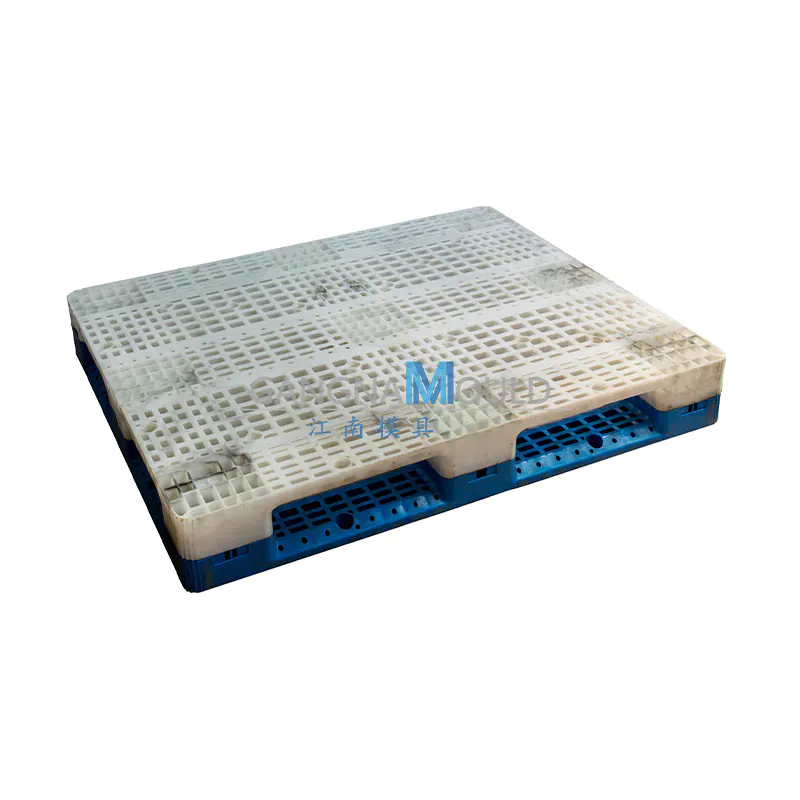
A warehouse operations manager watching an automated guided vehicle stall out mid-aisle because it misread a slightly warped pallet corner, holding up an entire line behind it, understands exactly why pallet consistency has become a genuinely bigger deal than it used to be. Pallet Mold design can adapt to automated warehousing by focusing on consistent dimensions, stable handling, suitable structural layouts, and compatibility with repeated warehouse movement. As storage operations become more organized and increasingly automated, pallets are no longer treated as simple platforms for carrying goods from point A to point B. Their shape, weight distribution, surface condition, and handling points can all affect how smoothly goods actually move through a warehouse floor.
This shift is creating genuinely new considerations for pallet manufacturers and mold developers alike. Traditional pallet designs often focus on general loading, transportation, and storage needs without much thought given to precision. Automated warehousing adds another layer entirely on top of that. Pallets may need to move through fixed storage positions, transfer areas, lifting equipment, and automated transport routes with genuinely less human adjustment along the way.
The mold plays a genuinely important role in this process because it influences how consistently each pallet actually gets produced batch after batch. When a pallet is used repeatedly across a facility, small differences between individual products can become genuinely more noticeable to the equipment reading them. A design that works well for manual handling may therefore need further consideration before it gets introduced into a more automated environment.
Why Automated Warehousing Is Changing Pallet Design
Automated warehousing changes pallet design because storage and movement depend genuinely more heavily on predictable product behavior. In a traditional warehouse, workers can often notice an unusual pallet position and make a quick adjustment on the spot without much thought. Automated equipment has genuinely less room for that kind of informal correction, since it's following programmed logic rather than intuition.
The pallet needs to fit the way goods actually get stored and moved through that specific facility.
This doesn't mean every automated warehouse requires the exact same pallet design. Different facilities may use genuinely different storage layouts and handling methods depending on what they're moving. Some may focus on high-density storage packed floor to ceiling. Others may prioritize quick movement between storage and shipping areas instead, valuing speed over density.
The pallet needs to match these conditions specifically, rather than following a generic template.
A stable base can make goods genuinely easier to position once they're loaded. A consistent outer shape can support repeated movement without triggering errors. Clearly designed contact areas can make handling genuinely more predictable for the equipment involved. The relationship between the pallet and the equipment around it becomes part of the product design process itself, not an afterthought.
| Warehouse Consideration | Pallet Design Focus |
|---|---|
| Automated storage | Consistent pallet shape |
| Repeated movement | Stable structure |
| Machine handling | Suitable contact areas |
| Stacking | Balanced support |
| Goods transfer | Predictable positioning |
| Long-term use | Practical material selection |
These considerations are encouraging manufacturers to examine pallet design as part of a wider warehouse system, rather than as an independent plastic product sitting apart from everything else.
How Pallet Size Affects Automated Storage
Pallet size matters because automated storage systems rely on organized spaces and repeatable movement paths mapped out in advance. A pallet that fits comfortably into a manual storage area may not have the same genuine suitability for an automated environment running on tighter tolerances.
Storage positions are planned around the dimensions of the goods and the equipment that handles them, down to fairly tight margins. If a pallet varies noticeably from one production unit to another, positioning can become genuinely more difficult for the system tracking it.
This is where mold design becomes genuinely important to the whole equation.
A well-planned mold can help maintain consistent pallet dimensions during production, run after run. The goal isn't simply creating a particular size on paper. The goal is making sure the resulting pallet remains genuinely suitable for its intended storage environment once it's actually in use.
Pallet size also affects how goods actually get arranged on top of it.
A pallet that provides a balanced support area can help keep packaged products in place during movement through the facility. A poorly matched size may leave unused areas or create genuinely awkward overhangs that throw off the load's balance.
Manufacturers therefore need to consider the relationship between pallet dimensions and the goods being carried on a case by case basis.
A warehouse handling boxed products may have genuinely different requirements from one handling containers, components, or packaged materials in bulk. The mold should get developed around the intended application, rather than copied from a general pallet design without further consideration given to the actual use case.
This application-based approach can also help buyers communicate genuinely more clearly with manufacturers from the first conversation onward.
What Structural Features Matter for Repeated Handling
Structural stability becomes genuinely more important when pallets get moved repeatedly, because each handling cycle places demands on the same support areas over and over. Automated warehouses can involve frequent movement between storage, sorting, packing, and shipping locations throughout a single day.
The pallet needs to remain genuinely practical throughout all of these activities, not just the first few cycles.
A pallet structure usually contains several functional areas working together. The upper surface supports the goods sitting on top of it. The lower section provides contact with floors or handling equipment underneath. Open spaces may allow lifting devices to access the pallet from below.
Each part needs to work with the others as a system.
The upper surface should provide suitable support for the intended goods it's carrying. The lower structure should help maintain a stable position throughout transit. Contact areas shouldn't create unnecessary interference during handling by automated equipment.
The mold has to reproduce these features genuinely consistently, batch after batch without drift.
A Plastic Pallet Mold is therefore a lot more than a cavity used to create a basic platform. Its design influences the shape, surface details, support structure, and repeatability of the finished product coming off the line.
Manufacturers may also consider how the pallet behaves when loaded, unloaded, stacked, or transferred through different stages. These situations can reveal genuine weaknesses that aren't obvious when the pallet is viewed as an empty product sitting on a shelf.
The increasing use of automated handling encourages this genuinely broader perspective across the whole design process.
Can Mold Design Improve Pallet Production Consistency?
Mold design can support production consistency by creating a genuinely repeatable manufacturing process for the pallet structure itself. Consistency matters because automated handling depends heavily on predictable products arriving at each station.
If pallets produced at different times have noticeable differences in shape or fit, warehouse operations may face genuinely additional handling challenges that slow everything down.
This is particularly relevant for businesses that use large quantities of the same pallet type across a whole distribution network.
A mold must reproduce the intended shape across repeated production cycles without meaningful drift. Its design needs to account for the pallet's major surfaces, support sections, openings, and connection areas all at once.
Production planning also affects the final product considerably, beyond the mold alone.
Material behavior, cooling conditions, mold maintenance, and production control can all influence whether the finished pallet remains genuinely consistent run after run. These factors need to get considered together, rather than treating mold design as an isolated purchasing decision made in a vacuum.
A Plastic Pallet Mold should therefore get developed with the final warehouse application genuinely in mind from the start.
For manufacturers, this can mean genuinely closer communication between the product design team, mold supplier, and pallet production team. Each group sees the product from a genuinely different perspective, shaped by their own priorities.
The warehouse operator thinks about handling day to day.
The pallet producer thinks about production efficiency and yield.
The mold maker thinks about how the intended shape can actually get reproduced reliably.
Bringing these perspectives together can reduce genuine misunderstandings during development, before anyone's committed to steel.
Why Pallet Stability Matters in Automated Warehousing
Pallet stability matters because automated handling leaves genuinely less opportunity for workers to correct unstable loads during movement through the facility. A pallet doesn't operate alone in this system. Its stability gets influenced by the goods placed on it, the surface supporting it, and the equipment moving it around.
The pallet structure provides the foundation everything else builds on.
A balanced support surface can help distribute goods genuinely more evenly across the platform. A suitable lower structure can help maintain contact with the handling area beneath it. A carefully planned shape can also reduce unnecessary movement during transfer between stations.
This is particularly relevant when pallets get stacked on top of one another.
Stacking requires the upper and lower pallets to work together as a pair. If the surfaces don't align well, the load may become genuinely less stable than intended, risking a tip.
Mold development can address these relationships during the design stage, well before anything ships.
Manufacturers can examine how the top and bottom sections actually interact with each other. They can also consider where reinforcement is genuinely useful and where material can get reduced without making the structure unsuitable for its intended use.
The aim isn't adding structure everywhere possible, just for safety's sake.
Too much material can affect handling, storage, and manufacturing efficiency all at once. Too little support may create genuine concerns during repeated use over the pallet's working life.
The practical approach is connecting structural choices with actual warehouse requirements on the ground.
How Pallet Handling Areas Should Be Considered
Handling areas should get designed around the equipment and movement methods actually used in the warehouse, rather than a generic standard. Automated systems may interact with pallets through different types of lifting, transferring, positioning, and storage equipment depending on the facility.
A pallet therefore needs genuinely clear and practical areas for contact built into its design.
Openings in the lower section can influence how equipment actually reaches the pallet from below. Their location and shape may affect whether the pallet can get handled from different directions depending on the equipment approaching it.
This becomes genuinely important when a warehouse uses several movement stages in sequence.
A pallet may leave a production area, enter storage, move to an order preparation area, and later reach shipping before its journey ends. Each stage may involve genuinely different equipment doing the handling.
The pallet needs to remain compatible across this entire journey, not just one leg of it.
A Pallet Mold should reflect these handling requirements before production actually begins. Changing the structure after a mold has already been manufactured can create genuinely additional cost and production disruption that nobody wants to deal with.
This is why early application analysis can prove genuinely valuable before committing to a design.
Buyers can explain how the pallet will be moved, stored, stacked, and loaded in their specific operation. Manufacturers can then consider these requirements when developing the mold from the ground up.
The discussion should also cover cleaning and inspection needs.
Pallets used in busy warehouses can collect dust, packaging material, or other residue over time. A practical structure shouldn't create unnecessary areas that are genuinely difficult to access during routine care and inspection.
What Role Material Choice Plays in Pallet Mold Development
Material selection affects pallet design because the material needs to support the intended balance between handling, durability, production, and repeated use over years of service. Plastic pallets get used in many storage and logistics settings because plastic allows manufacturers to create genuinely reusable pallet structures in different forms tailored to the job.
The selected material should match the intended application closely.
Different goods may place genuinely different demands on the pallet carrying them. Warehouse conditions can also vary considerably from one facility to the next. Indoor storage, outdoor transfer, cold environments, wet areas, and clean working spaces may require genuinely different considerations in the material chosen.
Mold design needs to reflect the selected material as well, not just the shape.
The material must flow into the intended pallet structure properly during production, filling every cavity. The mold should support the formation of the major surfaces and support areas without creating unnecessary manufacturing difficulties on the line.
This is one reason buyers often work genuinely closely with a Plastic Injection Mold Maker during product development, rather than treating it as a simple purchase.
A manufacturer with genuinely relevant pallet experience can help translate a pallet concept into a mold structure that's practical to produce at volume. Buyers can then discuss material choices, product shape, production needs, and future maintenance before committing to a particular mold design outright.
The discussion should remain genuinely focused on the actual application throughout.
A pallet intended for a simple storage environment may not need the same design considerations as one used throughout an automated logistics system running around the clock.
How Manufacturers Can Prepare Pallet Molds for Different Warehouse Needs
Manufacturers can prepare Pallet Molds genuinely more effectively by treating warehouse requirements as part of the original product brief, rather than an afterthought added later. A general-purpose pallet concept may provide a starting point for discussion, but automated storage often requires genuinely closer attention to the relationship between the pallet and its surroundings.
Several areas deserve discussion during development.
- Storage method: the manufacturer should understand how pallets will be positioned and stored
- Handling method: the movement equipment and transfer process can influence the pallet's lower structure
- Goods arrangement: the shape and weight distribution of the goods can affect the required support area
- Stacking needs: the relationship between upper and lower pallets should be considered
- Cleaning requirements: the product should remain practical to inspect and maintain
- Production requirements: the mold should support repeatable production without unnecessary complexity
These points can help buyers and manufacturers establish a genuinely clearer development direction from the outset.
The role of a Plastic Injection Mold Maker extends genuinely beyond producing the physical mold itself. The supplier may also become part of the product development conversation, particularly when the pallet has unusual structural requirements or needs to work within a specific warehouse environment running its own equipment.
Communication is genuinely important here because pallet design decisions can influence the mold, production process, packaging, storage, and transportation all at once.
A change to one area may affect another in ways that aren't always obvious upfront.
For example, adding a support section can change material use across the whole part. Changing an opening can affect handling from certain angles. Adjusting the pallet surface can influence how goods actually sit on the platform once loaded.
A coordinated approach helps manufacturers evaluate these relationships before production actually begins, saving rework later.
What Buyers Should Ask Before Ordering a Pallet Mold
Buyers should ask how the proposed mold design genuinely matches their actual warehouse operation before placing an order. The purchasing decision shouldn't get based only on the appearance of a sample pallet sitting in a showroom.
Useful questions include several worth writing down beforehand.
- Where will the pallet be stored?
- How will it be moved?
- Will it be stacked?
- What types of goods will it carry?
- How often will it be reused?
- What type of cleaning will it require?
- Which material is intended for production?
- Can the mold support the required pallet structure?
- How will mold maintenance be handled?
- Can the supplier support future product adjustments?
These questions help turn a general mold purchase into a genuinely application-based manufacturing decision, rather than a guess.
Automated warehousing is also changing what buyers genuinely expect from pallet suppliers these days. The focus is moving well beyond a simple plastic platform toward a product that needs to cooperate with storage spaces, handling equipment, goods, and repeated warehouse activities as one connected system.
For manufacturers, this creates a genuine opportunity to rethink Pallet Mold development around actual working conditions on the warehouse floor. The mold, material, pallet structure, and warehouse application can get considered as connected parts of the same production process, rather than separate decisions made in isolation from one another.
Previous Post
How Do Injection Molded Plastic Pallets Improve Warehouse Flow
Next Post
How Does Plastic Pallet Mould Design Shape Pallet Production
Our Products.
Quick Links
Contact Information
- ADD: No. 268, Jinchuan Road, Xinqian Street, Huangyan District, Taizhou City, Zhejiang Province, China
- TEL: +86-(0)576-89191888
- E-MAIL: gm@gangnammould.com
Mobile
Copyright © Zhejiang Huangyan Jiangnan Mould Factory All Rights Reserved.

PP Mould
