


 English
 русский
 Español
 Français
 عربى
عربى 简体中文
简体中文
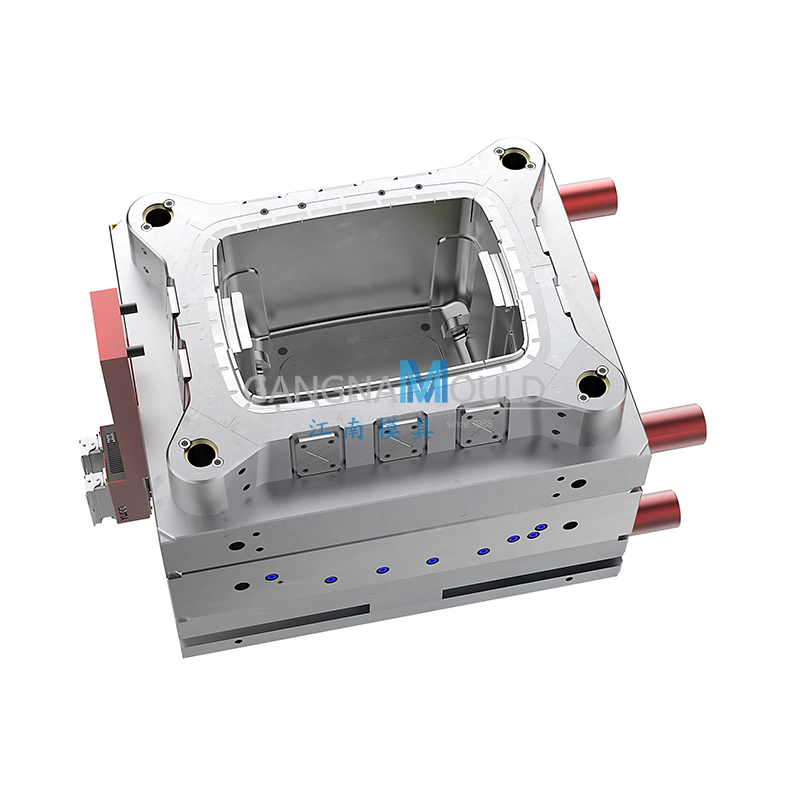
What Factors Affect the Quality of Products Made by Storage Box Injection Mould?
2026-05-25
Storage products such as plastic boxes, organizers, and containers are widely used in homes, offices, and logistics systems. Their production relies heavily on molding technology that allows consistent shaping and fast cycle production. The Storage Box Injection Mould is one of the key tools used to form these products in large-scale manufacturing environments.
Instead of shaping each item manually, the Storage Box Injection Mould supports repeatable production of identical units with controlled dimensions and structure.
Mold Structure and Design Considerations
A Storage Box Injection Mould is typically made of hardened steel or aluminum alloy, designed to withstand repeated high-pressure injection cycles. The internal cavity defines the final shape of the storage box, including walls, handles, and locking features.
In a Storage Box Injection Mould, precision machining is used to ensure cavity alignment and surface smoothness. This helps reduce defects such as uneven edges or inconsistent thickness in finished products.
The mold system usually includes core and cavity plates, ejector pins, and guiding components that help release the final product after cooling.
Injection Process and Material Flow
The production process begins with melting plastic materials such as polypropylene or ABS. The molten material is injected into the mold cavity under controlled pressure.
A Storage Box Injection Mould must support stable material flow to ensure the plastic fills all areas of the cavity evenly. If flow is inconsistent, air traps or incomplete filling may occur.
Injection speed and pressure are adjusted depending on product size and wall thickness. These parameters influence how the material settles inside the mold before cooling begins.
Cooling System and Cycle Time Management
Cooling is an important stage in injection molding. Inside a Storage Box Injection Mould, cooling channels are designed to circulate water or other cooling media around the cavity.
A Storage Box Injection Mould uses this system to reduce temperature after injection, allowing the plastic to solidify into shape. Cooling time directly affects production cycle timing.
Uniform cooling helps reduce warping or shrinkage differences in the finished storage box. Temperature balance across the mold surface is often monitored during production runs.
Ejection System and Product Release
Once the plastic solidifies, the molded product must be removed from the cavity. The ejection system uses pins or plates to push the product out without damaging its structure.
In a Storage Box Injection Mould, ejection timing is carefully controlled to avoid deformation. If the product is removed too early, it may lose shape stability.
Release angles and surface finishing also help reduce friction during the ejection process.
Applications in Storage Product Manufacturing
Storage boxes made using injection molds are used in households, warehouses, retail packaging, and logistics systems. A Storage Box Injection Mould supports production of items such as stackable containers, tool boxes, and storage bins.
Because these products are used in different environments, mold designs may vary in size, locking structure, and reinforcement features.
In logistics, uniform storage boxes help with stacking and transport organization, while in homes they are used for clothing, food, or general item storage.
Maintenance and Production Stability
Regular maintenance of injection molds is necessary to maintain production stability. A Storage Box Injection Mould is cleaned after production cycles to remove residual plastic and prevent surface wear.
Lubrication of moving components such as ejector systems helps reduce mechanical resistance during repeated use. Inspections are also carried out to check cavity condition and alignment.
Structured Production for Everyday Storage Needs
Injection molding technology plays a key role in producing consistent and functional storage products. The Storage Box Injection Mould supports this process by enabling controlled shaping, efficient cooling, and repeatable production cycles.
Through structured design and stable operation, it contributes to the manufacturing of storage solutions used in daily life and industrial environments.
Previous Post
How to Extend the Service Life of a Plastic Pallet Mould
Next Post
Why Is Vegetables Basket Crate Mold Design Important for Ventilated Crates?
Our Products.
Quick Links
Contact Information
- ADD: No. 268, Jinchuan Road, Xinqian Street, Huangyan District, Taizhou City, Zhejiang Province, China
- TEL: +86-(0)576-89191888
- E-MAIL: gm@gangnammould.com
Mobile
Copyright © Zhejiang Huangyan Jiangnan Mould Factory All Rights Reserved.

PP Mould
