


 English
 русский
 Español
 Français
 عربى
 简体中文

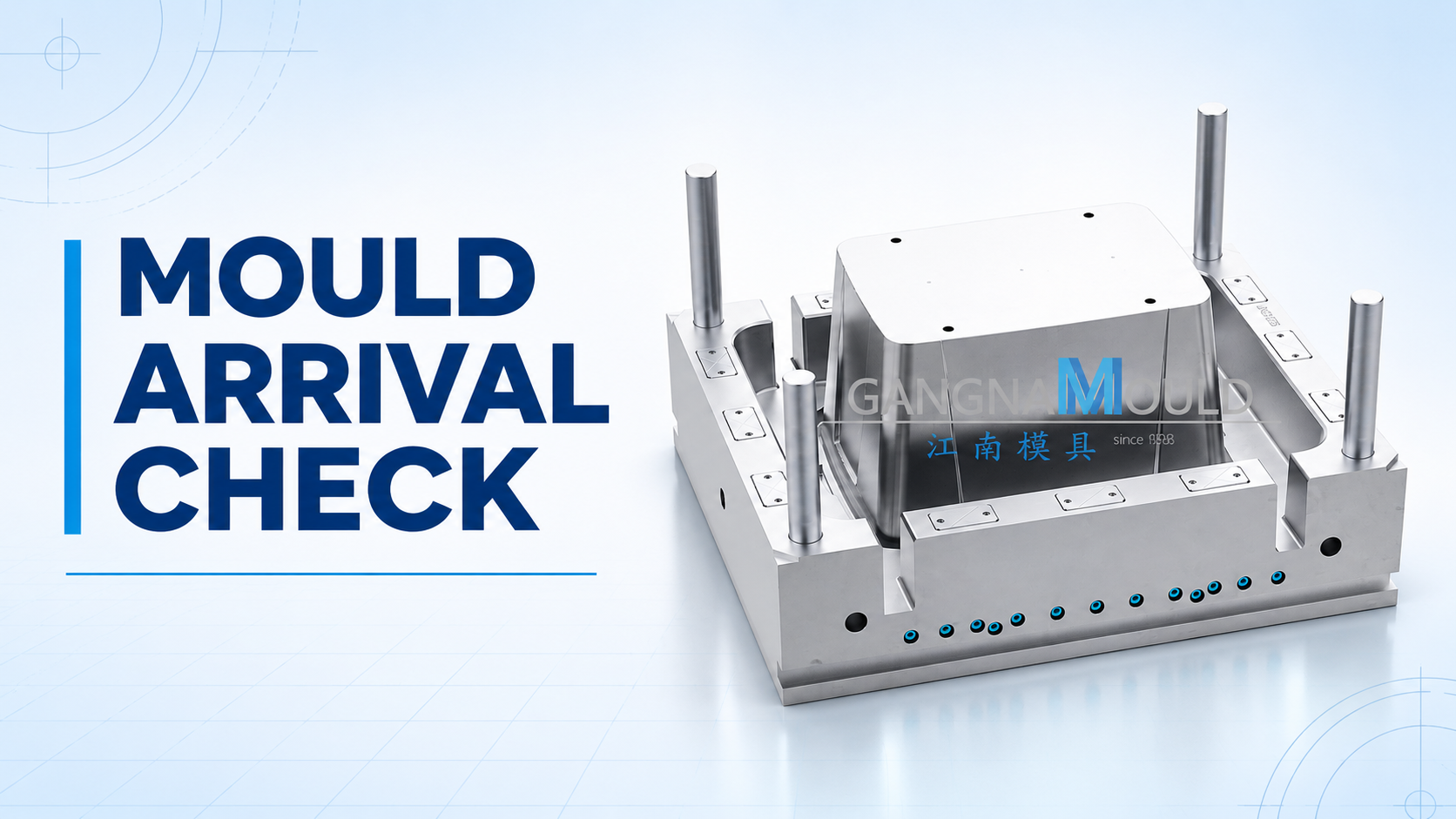
Storage Box Mould Arrival: Prepare the Receiving Inspection
2026-11-20
A mould can arrive at the factory before the production team has the information needed to put it into service. The crate is opened, the tool is identified and the next question is where its drawings, connection details and trial records have gone. Receiving inspection should connect the physical tool to that information before installation begins.
Gangnam Mould lists the JN-485 storage box injection mold within its storage box range. The pictured tool is a useful example for a handover discussion. Its photograph does not establish a shipping weight, lifting method or complete supplied accessory list. Those requirements belong in the approved documents for the ordered tool.
Before the vehicle arrives
Ask for the final packing information, tool identification and agreed shipping documents in advance. Confirm the receiving location and the people responsible for the equipment. An arrival time alone does not tell the factory whether it has suitable access, handling equipment or space to inspect the delivery.
Keep the purchase specification available to the receiving team. They should know whether the shipment includes only the mould or also loose components, spare parts and accompanying documents. A supplier quotation, packing list and purchase order may describe the scope differently unless their revisions have been reconciled.
Prepare a controlled place for the tool after unloading. The location should support the factory’s agreed storage and preservation procedures. Do not assume that a wrapped mould can remain outdoors or in an uncontrolled area without considering the actual protection and environmental conditions.
Inspect the packaging before opening it
Record the package identity and its visible condition before removing protection. If there is impact damage, wetting or a discrepancy in the package count, photograph it and follow the agreed receiving process. The observations should be factual, with the location and appearance of the concern clearly identified.
Open the package using the applicable handling guidance. Packaging can conceal loose items or surfaces that need protection during unpacking. Avoid cutting into an unknown area or placing removed packing material where it obscures small components that still need to be counted.
The inspection record should distinguish damage to the crate from damage to the mould. An outside mark may require further examination, but it does not prove that the tool has been affected. Similarly, an intact crate is not a substitute for the agreed incoming checks.
Match the physical tool to the documents
| Receiving item | Reference to compare | Observation to retain |
|---|---|---|
| Tool identity | Purchase order and approved drawing | Identification and revision |
| Loose components | Packing list | Quantity and labelled storage position |
| Connections | Relevant interface drawings | Identification and visible condition |
| Documents | Agreed handover list | Received revision and missing items |
Use the tool number and revision consistently. A photograph of a similar mould cannot resolve whether the delivered item includes the latest approved change. Where a change affects an accessory or interface, the receiving check should identify that item explicitly.
Retain the relationship between loose parts and the tool they belong to. Unmarked components placed into a general spare-parts cupboard can become difficult to identify later. The packing list should make it possible to trace each item without relying on the person who unpacked the crate.
Do not improvise handling from a photograph
Confirm the tool’s actual mass, approved handling provisions and relevant instructions before moving it. Visible holes, columns or projecting parts should not be assumed to be lifting points. The lifting arrangement requires competent planning with the equipment and documents applicable to the delivered mould.
The same care applies when removing transport restraints. Identify which items are intended to remain during storage and which must be removed before installation or operation. Follow the supplied guidance; an unfamiliar restraint should be clarified rather than removed because it appears inconvenient.
Photographs can help explain a handling question to the supplier, but they should support the approved procedure. Do not convert a visual guess into a stated lifting limit, sling angle or equipment requirement. Keep those decisions with the responsible personnel and verified tool information.
Arrival is different from trial readiness
A mould may pass the agreed receiving checks while still waiting for machine preparation or a scheduled trial. Keep those statuses distinct. An arrival record should not state that the tool is production approved merely because it matches the packing list and shows no visible transit damage.
Before a trial, confirm that the machine interface, utilities and operating documentation have been reviewed by the responsible team. Collect the relevant material and trial requirements. These preparations should correspond to the ordered configuration rather than a generic mould start-up checklist.
- Record delivery and package identity.
- Check the physical scope against the packing list.
- Resolve missing documents or unexplained components.
- Store the tool under the agreed preservation procedure.
- Release it to installation and trial only through the factory’s normal process.
Make the receiving record useful later
The completed record should show who inspected the delivery, which documents were used and where the tool and loose items were placed. Link photographs to the relevant observation so a later query can be understood without reconstructing the entire unloading event.
If a discrepancy is found, describe the expected item and the received condition separately. This gives Gangnam Mould a clear basis for reviewing the shipment. It also helps the factory decide which preparations can continue while the specific question is resolved.
A well-prepared arrival does more than confirm that a crate has reached the building. It establishes the tool’s identity, protects its handover information and gives the production team a clear starting point for the installation and trial work that follows.
Previous Post
No previous article
Next Post
Plastic Chair Mould Parting Lines: Agree the Visible Surfaces First
Our Products.
Quick Links
Contact Information
- ADD: No. 268, Jinchuan Road, Xinqian Street, Huangyan District, Taizhou City, Zhejiang Province, China
- TEL: +86-(0)576-89191888
- E-MAIL: gm@gangnammould.com
Mobile
Copyright © Zhejiang Huangyan Jiangnan Mould Factory All Rights Reserved.

PP Mould
