


 English
 русский
 Español
 Français
 عربى
عربى 简体中文
简体中文
How Injection Molded Pallets Solve Logistics Issues
2026-06-12
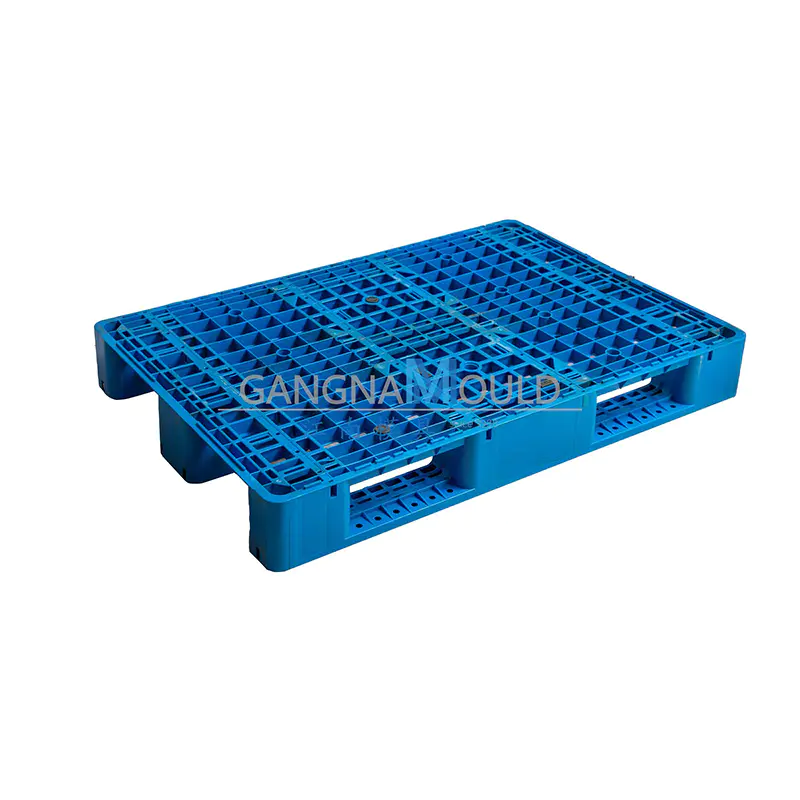
A warehouse manager watches a stack of goods tilt as the forklift moves away. The pallet underneath looks fine from a distance. Up close, one corner sits lower than the others. The load shifts during transport. Boxes arrive with crushed edges. The customer complains. Another shipment, another damage report. The pattern repeats across the industry. Many logistics professionals face these daily frustrations and struggle to find a consistent solution. The hidden problem often lies in the pallet itself. Inconsistent dimensions, weak spots, and uneven surfaces turn ordinary handling into a risk. Plastic Pallet Mold technology offers a different path. Injection Molded Plastic Pallets come from precision molds that produce identical, stable platforms. Understanding how this technology solves real logistics challenges requires looking at pallets as engineering components, not simple shipping tools.
Understanding Logistics Challenges in Modern Transport Systems
Logistics systems move goods through many stages. Loading, stacking, wrapping, driving, unloading. Each stage places stress on the pallet and the products above. A small failure at any point causes ripple effects through the whole chain.
Why Small Structural Failures Lead to Large Supply Chain Issues
A warped pallet does not look dangerous. Yet that warp changes how boxes sit. The top layers lean slightly. Vibration from the road amplifies the lean. Boxes slide against each other. Packaging tears. Products inside break. What started as a small bend ends as a rejected shipment.
The same principle applies to cracked pallets, loose boards, or uneven runner heights. Each defect seems minor in isolation. When multiplied across many pallets and miles, the costs become significant.
How Pallets Become a Critical Stress Point in Logistics
The pallet sits at the bottom of every stack. Every pound of product above transfers through the pallet to the floor or rack. A pallet that distributes that weight evenly protects the load. A pallet that creates pressure points damages the lowest boxes first.
Pallets also interact with handling equipment. Forklifts insert forks into pallet pockets. If those pockets vary in size or position, the driver struggles to align. Misalignment leads to tilted loads or damaged pallet edges.
What Is Plastic Pallet Mold Technology?
Plastic Pallet Mold technology refers to the design and fabrication of precision molds used to produce Injection Molded Plastic Pallets. The process involves forcing melted plastic into a closed mold cavity under high pressure. The plastic cools and solidifies into the shape of the cavity. The finished pallet comes out as one continuous piece.
Why Mold Design Determines Final Pallet Performance
The mold defines every feature of the pallet. Top surface texture, rib pattern underneath, runner height, fork pocket shape. A well designed mold produces pallets with consistent wall thickness, smooth surfaces, and accurate dimensions. A poorly designed mold creates weak spots, uneven cooling, and dimensional variation.
Mold design also affects how plastic flows during injection. Balanced flow ensures the material reaches all areas at the same temperature. Unbalanced flow creates weld lines where two flow fronts meet. Those weld lines can be weaker than surrounding material.
How Injection Molding Creates Structural Uniformity
Injection molding produces identical parts across many cycles. Once a mold is validated, every pallet from that mold matches the previous one. This uniformity does not exist in wooden pallets or assembled plastic pallets. Wood varies by tree. Assembled pallets vary by fastener placement and board straightness.
Uniformity matters in automated logistics systems. Conveyor rollers, robotic stackers, and automated storage racks expect consistent pallet dimensions. A small variation causes jams, mispicks, and downtime. Injection molded pallets eliminate that variation.
How Injection Molded Plastic Pallets Improve Transport Stability
Stability during transport depends on three factors. The pallet must stay flat under load. The pallet must resist deformation from vibration. The pallet must maintain friction with the products above.
How Uniform Structure Reduces Load Movement
A pallet that flexes unevenly allows boxes to shift. Shifting creates gaps in the load. Once gaps appear, boxes move against each other during acceleration and braking. The wrapping film stretches. The load loosens. Damage follows.
Injection molded pallets with consistent rib patterns flex predictably under load. The top surface remains flat because the ribs distribute pressure evenly. Boxes stay where they were placed. The load stays tight.
Why Stability Directly Reduces Product Damage
A stable load absorbs road vibration differently than an unstable one. Vibration energy transfers through the pallet into the products. A pallet that sits flat on the truck floor transmits vibration uniformly. A pallet that rocks or bounces focuses vibration into specific areas. Those areas experience higher stress.
How Plastic Pallet Mould Precision Impacts Logistics Performance
Precision in mold making translates directly to performance in the field. A mold with accurate dimensions produces pallets that fit every handling system. A mold with consistent cooling channels produces pallets without warpage.
Why Small Deviations in Mould Design Affect Transport Safety
A mold cavity that is slightly out of specification produces pallets that are slightly out of specification. A small extra thickness in one area changes how the pallet sits on a flat floor. The pallet rocks. The load tilts.
Fork pocket position matters enormously. Pockets that are offset by a small amount cause forklift forks to scrape against the pallet. The scraping wears down the plastic over time. Worn pockets become loose. Loose pockets allow the pallet to shift on the forks.
| Logistics Challenge | How Traditional Pallets Contribute | How Molded Pallets Solve It |
|---|---|---|
| Uneven stacking | Warped boards cause tilted loads | Flat top surface from precision mold |
| Product damage in transit | Weak spots concentrate pressure | Uniform rib pattern distributes load |
| Handling inefficiency | Fork pockets vary in position | Consistent pocket dimensions every time |
| Short pallet lifespan | Nails loosen, boards split | One-piece construction, no fasteners |
| Moisture damage | Wood absorbs water, swells | Plastic resists moisture completely |
Common Causes of Logistics Inefficiency in Pallet Systems
Inefficiency in pallet systems comes from many sources. Some are obvious. Broken pallets removed from service. Cracked boards replaced. Other sources hide beneath daily operations.
How Poor Pallet Design Amplifies Logistics Risks
A pallet with a smooth top surface allows boxes to slide. A pallet without edge protection allows stretch wrap to cut through. A pallet with narrow fork pockets forces drivers to align perfectly. Each design flaw adds seconds to every handling task.
Poor design also hides damage from view. A pallet with internal cracks may look fine from outside. Under load, the crack widens. The pallet fails mid trip. Products scatter across the trailer floor.
How Molded Pallets Solve Product Damage Issues
Product damage occurs when forces exceed what the packaging can handle. Molded pallets reduce those forces through structural design, not just material choice.
Why Structural Integrity Is Key to Damage Prevention
A molded pallet with integrated ribs resists bending better than a flat sheet of the same thickness. The ribs act as small beams across the pallet surface. They carry load from the top surface down to the runners. That load path prevents sagging between support points.
Damage prevention also comes from edge design. A molded pallet can include raised edges that keep boxes contained. Those edges prevent boxes from sliding off during cornering.
Injection Molded Plastic Pallets vs Traditional Pallet Systems
Comparing pallet systems requires looking at how each handles real logistics conditions. Traditional wooden pallets have been used for many years. They are familiar and easy to repair. Yet familiarity does not mean they perform well in every situation.
When Molded Pallets Provide Greater Reliability
Injection Molded Plastic Pallets excel in environments where consistency matters. A warehouse running automated storage equipment needs every pallet to have the same dimensions. Wooden pallets vary. A plastic pallet from a quality mold does not vary.
Reliability also comes from impact resistance. A plastic pallet hit by a forklift may scratch or dent but rarely breaks. A wooden pallet hit by the same forklift may split. A split board reduces load capacity.
Limitations of Traditional Pallet Structures
Wooden pallets absorb moisture. A pallet stored outside overnight gains weight from humidity. That extra weight adds to shipping cost. The same moisture causes boards to swell. Swollen boards change dimension.
Traditional pallets also lose fasteners over time. Nails work loose. Loose nails protrude upward into the bottom layer of boxes. Those nails puncture packaging.
Role of Design Engineering in Molded Pallet Systems
Design engineering determines how a pallet responds to stress. A molded pallet is not simply a solid block of plastic. It is a carefully shaped structure.
Why Geometry Is as Important as Material Choice
A flat sheet of plastic bends easily. Add ribs underneath the same sheet and it becomes much stiffer. The ribs carry load from the top surface down to the runners. The spacing of ribs affects how much weight the pallet can hold before sagging.
Geometry also affects how the pallet interacts with conveyor systems. A pallet with smooth bottom runners slides easily. A pallet with textured runners may catch on conveyor rollers.
How Structural Design Prevents Load Collapse
Load collapse happens when a pallet deforms enough that stacked boxes lose support. A pallet that sags in the middle creates a gap under the center box. That box receives support only at its edges. The edges crush. Boxes above tip into the gap.
A molded pallet with a well designed rib pattern prevents sagging. The ribs transfer load directly to the runners. The top surface stays flat.
Material Considerations in Injection Molded Plastic Pallets
Different materials offer different performance characteristics. The choice of material affects how the pallet behaves in cold temperatures, under impact, and over many years of use.
Why Material Behavior Depends on Structural Design
A soft, flexible material can still make a stiff pallet if the rib design is deep enough. A hard, brittle material can still make a tough pallet if the geometry distributes impact forces well. Material and design work together.
Some materials resist chemical exposure better than others. A pallet used in a food processing facility may be cleaned with strong detergents. The material must resist degradation from those detergents.
Industrial Applications of Moulded Pallets
Different industries place different demands on pallet systems. A single pallet design does not work for every application.
Why Different Industries Require Tailored Pallet Structures
Food and beverage logistics often involves washing pallets between uses. A molded plastic pallet with no hidden spaces cleans easily. Water drains away. No moisture gets trapped inside. Wooden pallets cannot be washed the same way.
Pharmaceutical shipping requires clean, consistent pallets. Injection molded pallets from a precise mold meet those requirements. The smooth surfaces leave no place for contaminants to collect.
Automotive parts logistics involves heavy components and high stacking. Molded pallets for this industry may include specially designed pockets to hold specific parts.
Operational Benefits of Plastic Pallet Mold Technology
The benefits of molded pallets extend beyond product protection. Operations become smoother when pallets behave predictably.
How Structural Consistency Improves Workflow Stability
A warehouse worker who knows that every pallet has the same height can set stack heights with confidence. A forklift driver who knows that every fork pocket is in the same location can insert forks without looking. Small efficiencies accumulate across daily moves.
Consistent pallets also reduce equipment wear. Automated wrapping machines apply film based on expected pallet dimensions. A pallet that is too wide causes the machine to strain. A pallet that is too narrow leaves gaps in wrapping.
Misconceptions About Plastic Pallet Performance
Some people believe plastic pallets are weak or unsuitable for heavy loads. Those beliefs come from experience with low quality plastic pallets, not from properly designed injection molded systems.
Why Material Alone Does Not Determine Performance
A poorly designed plastic pallet made from good material will still perform poorly. A well designed plastic pallet made from ordinary material can perform very well. The design of ribs, runners, and surfaces matters more than the specific plastic type.
Another misconception is that wood is always stronger than plastic. A wooden pallet with a loose board is not strong at all. A molded plastic pallet with continuous structure maintains its strength over many uses.
How Plastic Pallet Mold Technology Improves Supply Chain Systems
Supply chain systems function better when every component works predictably. Plastic Pallet Mold technology creates that predictability.
Why System-Level Design Matters More Than Individual Components
A pallet does not operate alone. It interacts with forklifts, conveyors, racks, wrapping machines, and truck floors. A pallet designed without those interactions will create problems somewhere in the system. A pallet designed with the whole system in mind improves everything it touches.
System-level thinking also considers how pallets move through return loops. A pallet that survives many trips reduces the need for frequent replacement.
Key Takeaways on Plastic Pallet Mold Solutions
Logistics challenges often stem from structural inconsistency in pallet systems. A warp here, a loose board there, a dimensional variation in another place. Each small defect adds risk. Over time, those risks become damage claims, delays, and customer dissatisfaction.
Injection Molded Plastic Pallets solve these challenges through precision manufacturing. A quality Plastic Pallet Mould produces pallets that are identical, stable, and predictable. Every pallet fits the same rack. Every pallet sits flat on the same floor.
Mold precision defines performance quality. A mold with accurate dimensions, balanced flow channels, and consistent cooling produces pallets that perform reliably. A mold that lacks these qualities produces pallets with hidden weak spots.
Molded pallets function as system-level logistics tools. They interact with handling equipment, storage systems, and transport vehicles in known ways. That predictability allows supply chain managers to design processes around consistent pallet behavior.
Design, material, and manufacturing must work together. A good design made from suitable material using a precise mold produces a pallet that solves real logistics problems.
Zhejiang Huangyan Jiangnan Mould Factory specializes in Plastic Pallet Mould manufacturing with a focus on precision and application-specific design. The connection between mold quality and logistics performance is clear. A precise mold produces pallets that reduce damage and improve efficiency. Examine your current damage reports. Identify how many incidents trace back to pallet inconsistency. Then consider whether injection molded pallets could reduce those losses. A change at the bottom of the stack can improve outcomes at every level above.
Previous Post
How Injection Molded Plastic Pallets Reduce Product Damage
Next Post
Wooden Pallets or Plastic Pallet Moulds for Production?
Our Products.
Quick Links
Contact Information
- ADD: No. 268, Jinchuan Road, Xinqian Street, Huangyan District, Taizhou City, Zhejiang Province, China
- TEL: +86-(0)576-89191888
- E-MAIL: gm@gangnammould.com
Mobile
Copyright © Zhejiang Huangyan Jiangnan Mould Factory All Rights Reserved.

PP Mould
